Class 4 Space Buggy Project - Visual Appearance
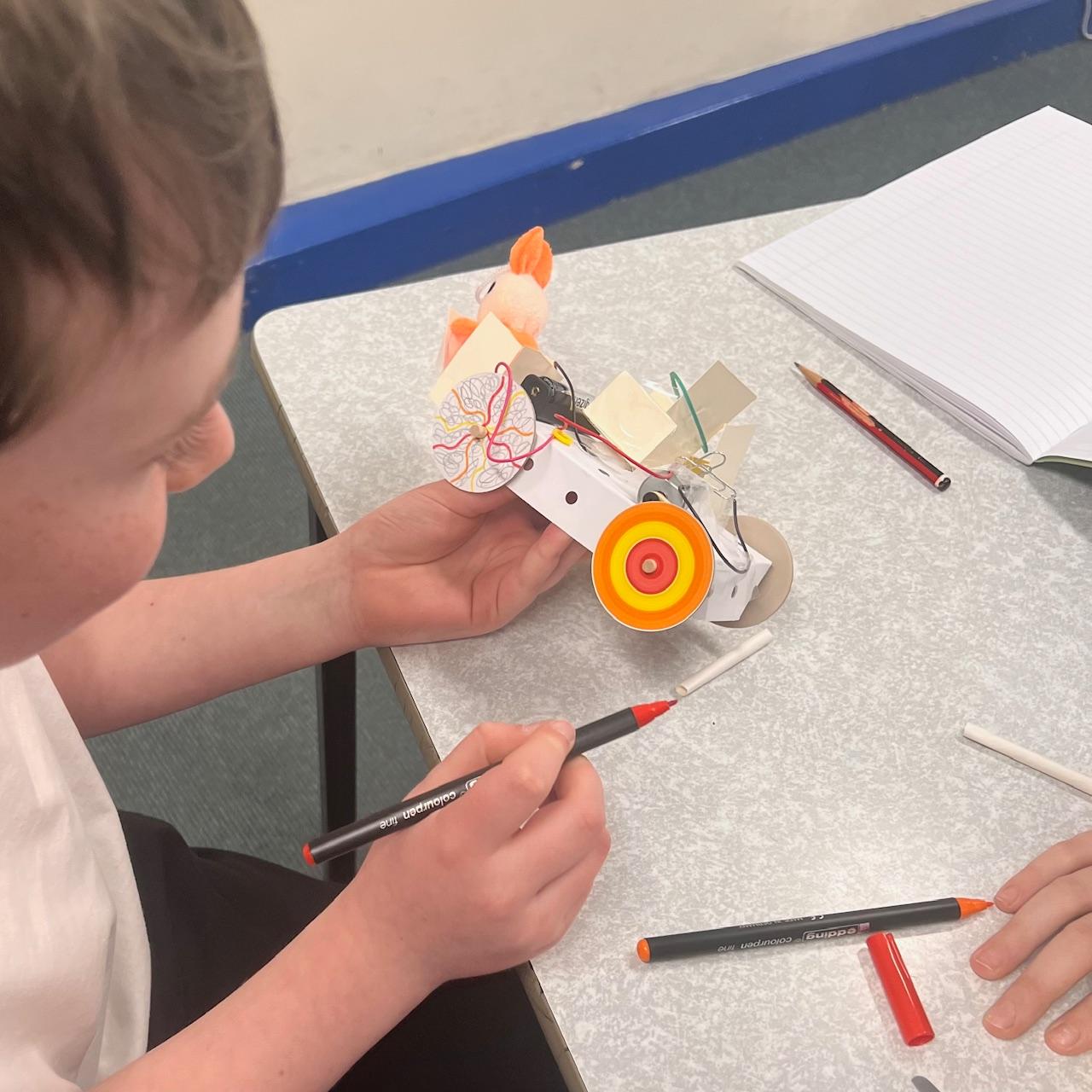
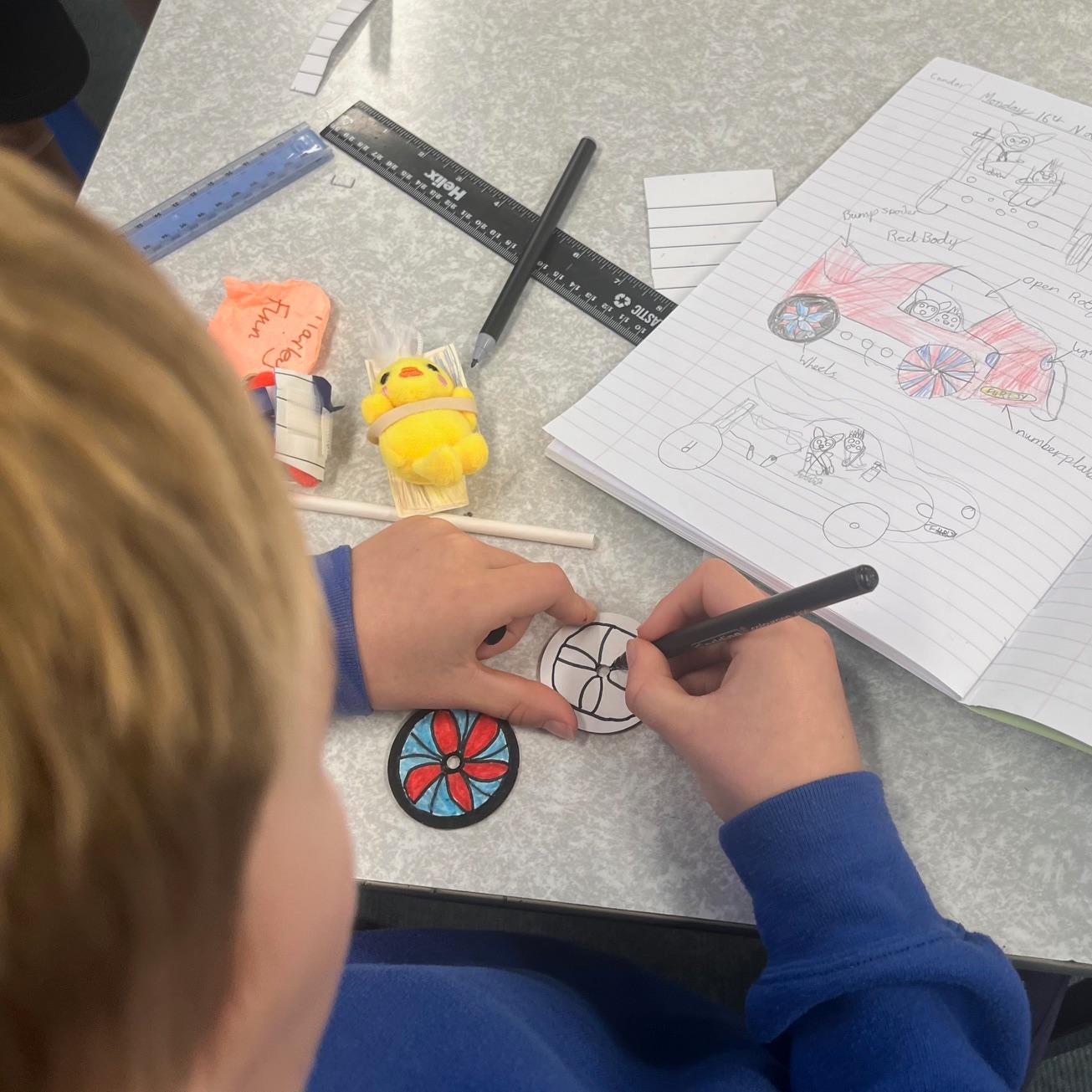
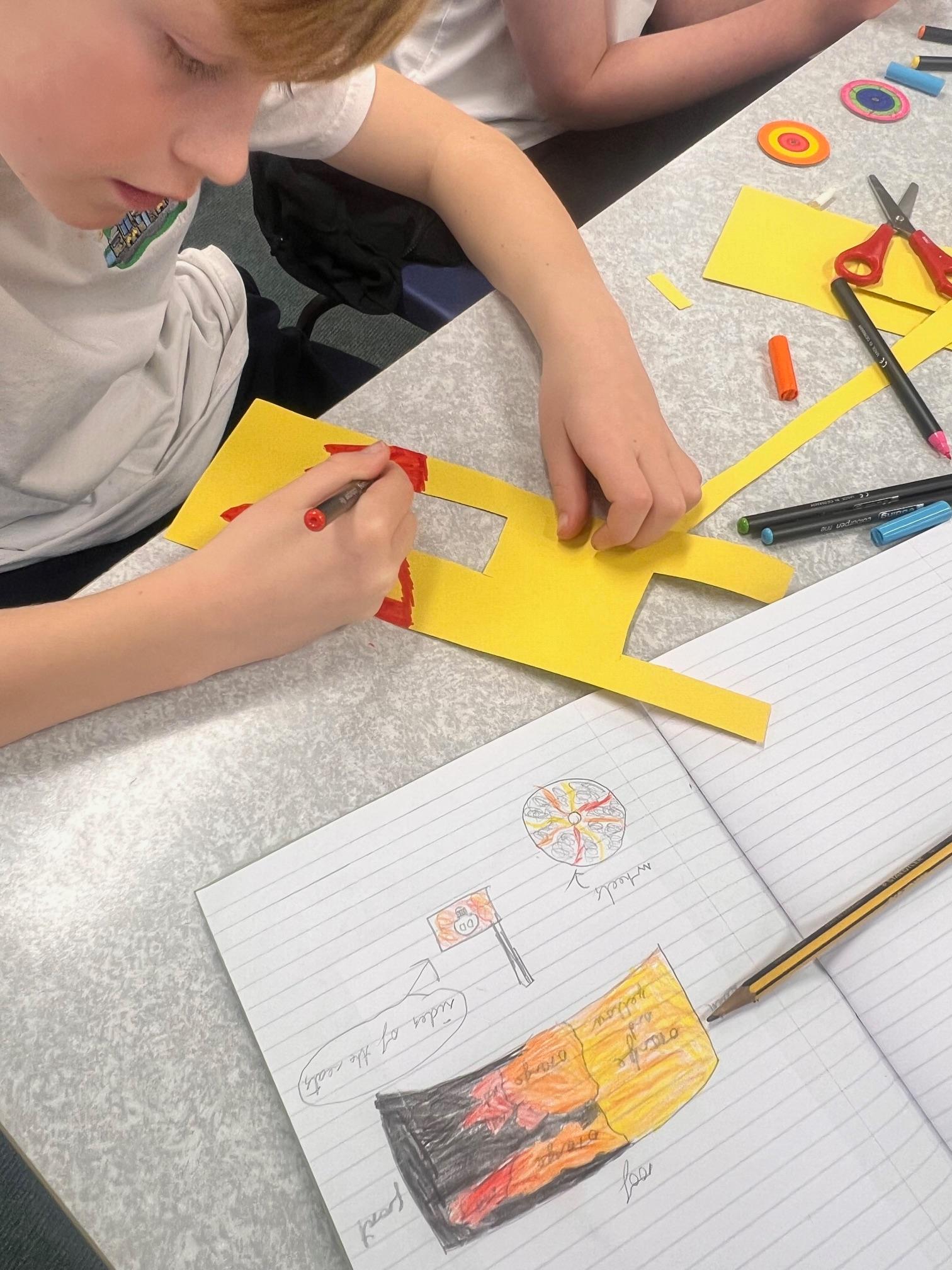
The children created 2D designs, which they are now in the process of adding to their buggies.
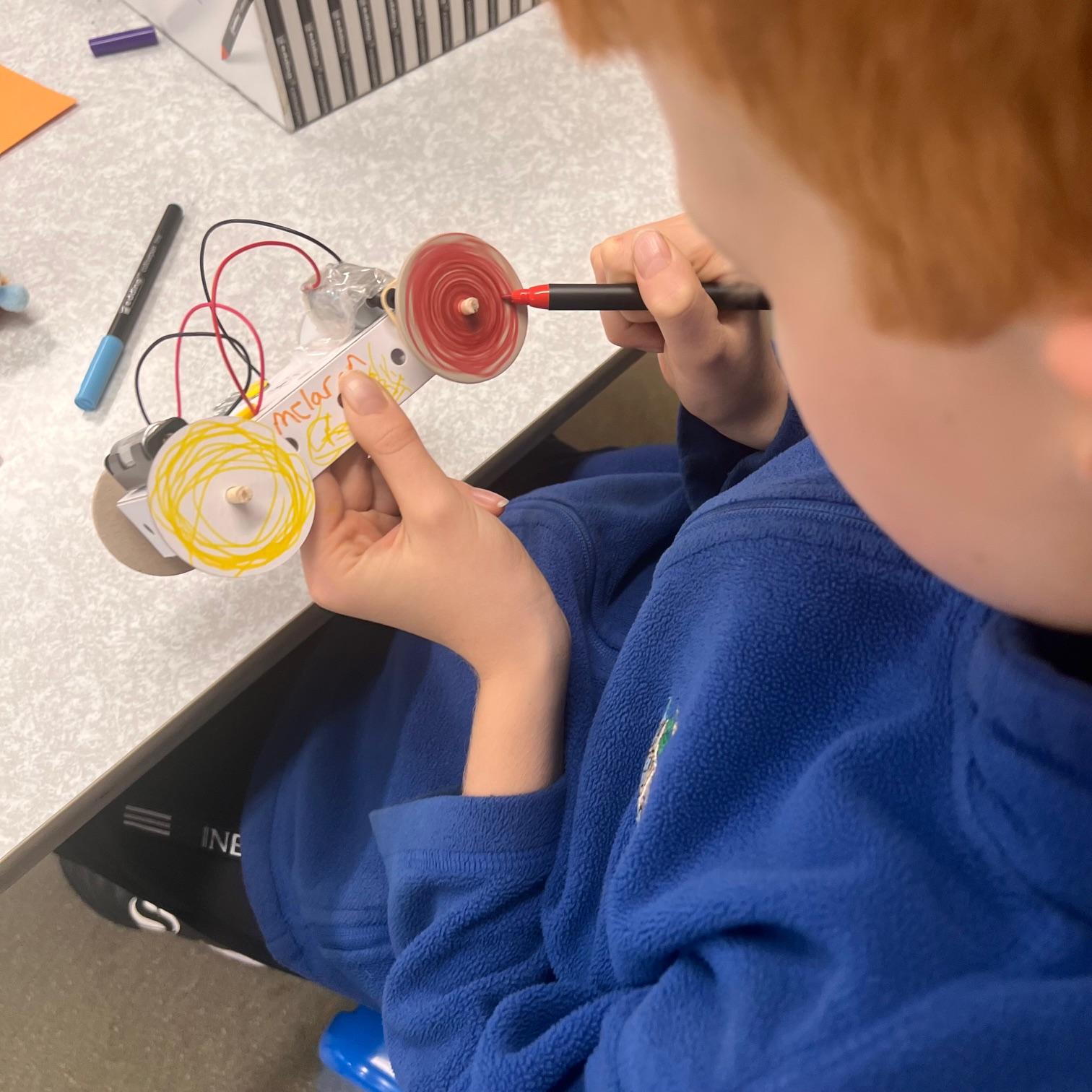
The excitement when one child realised that colouring the wheels was much quicker and successful if you switched the motor on to make them spin! Every child then wanted to use that technique. Definitely a WOW moment!
Issues:
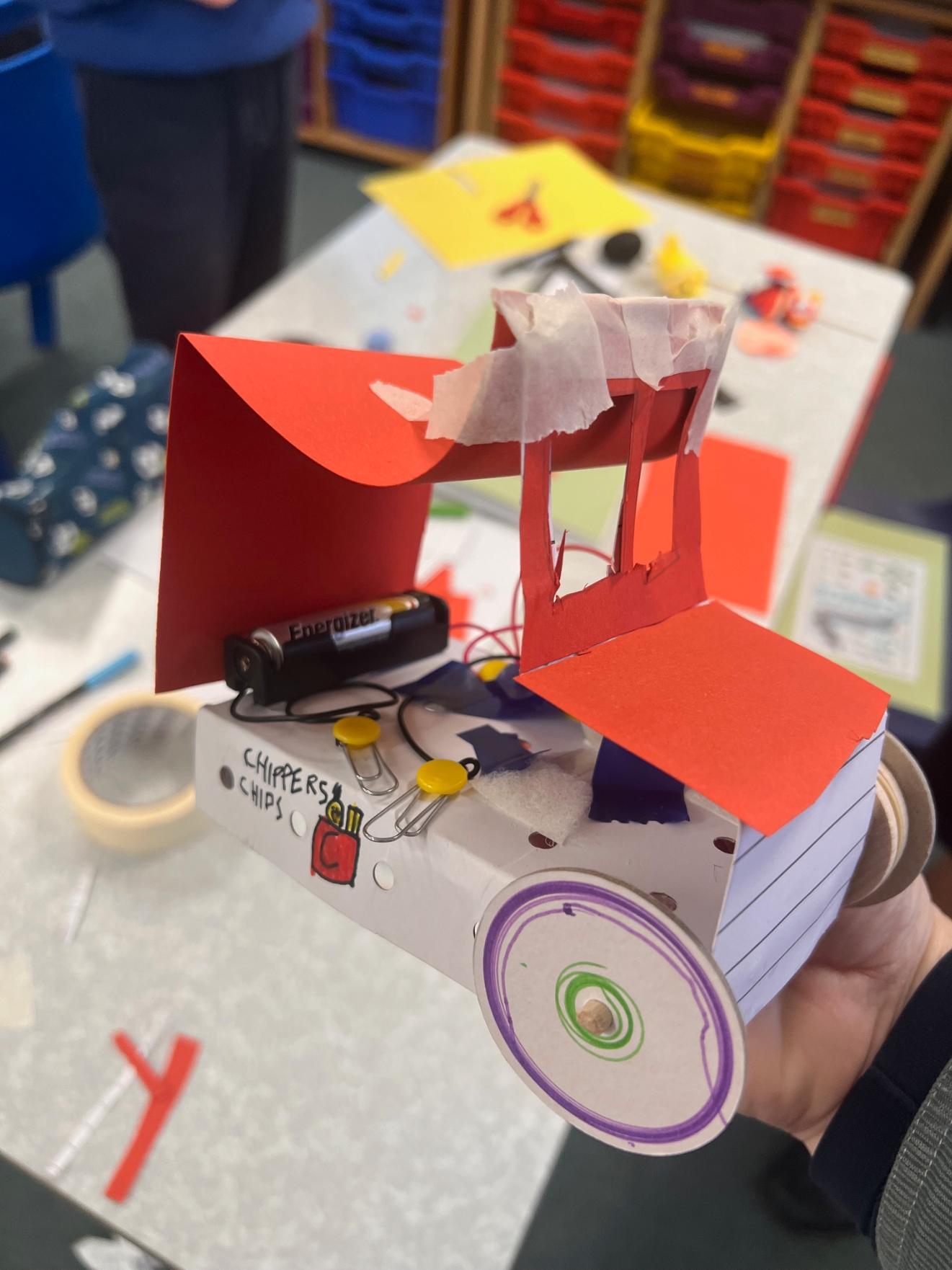
- Tape is strong but not aesthetically pleasing, how can we improve this?
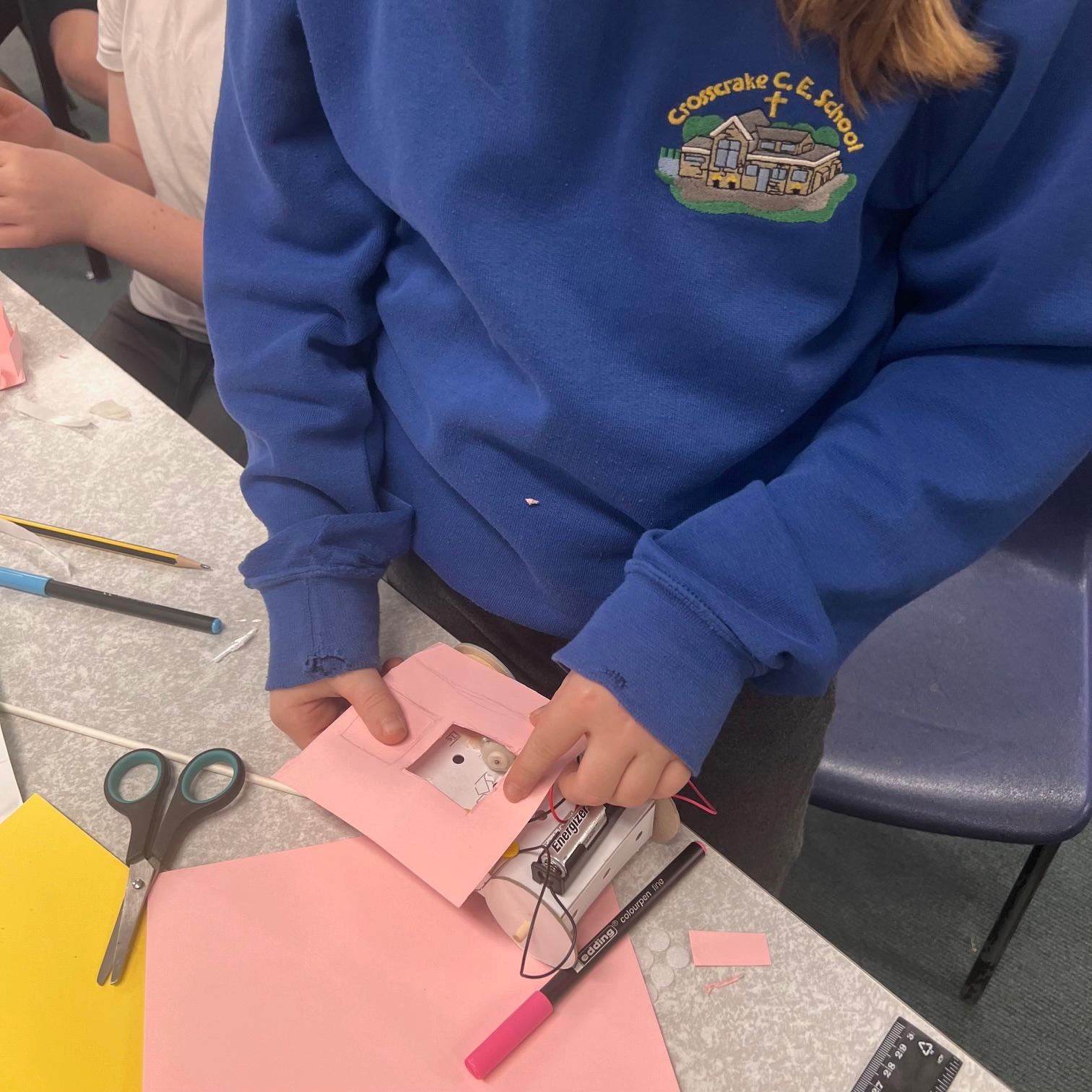
- When I put the front panel on it catches the wheels, how can I solve this so the wheels can still turn?
- How can I make a windscreen so the teddies can see where they are going?
Ask an Astonaut Live Zoom Event
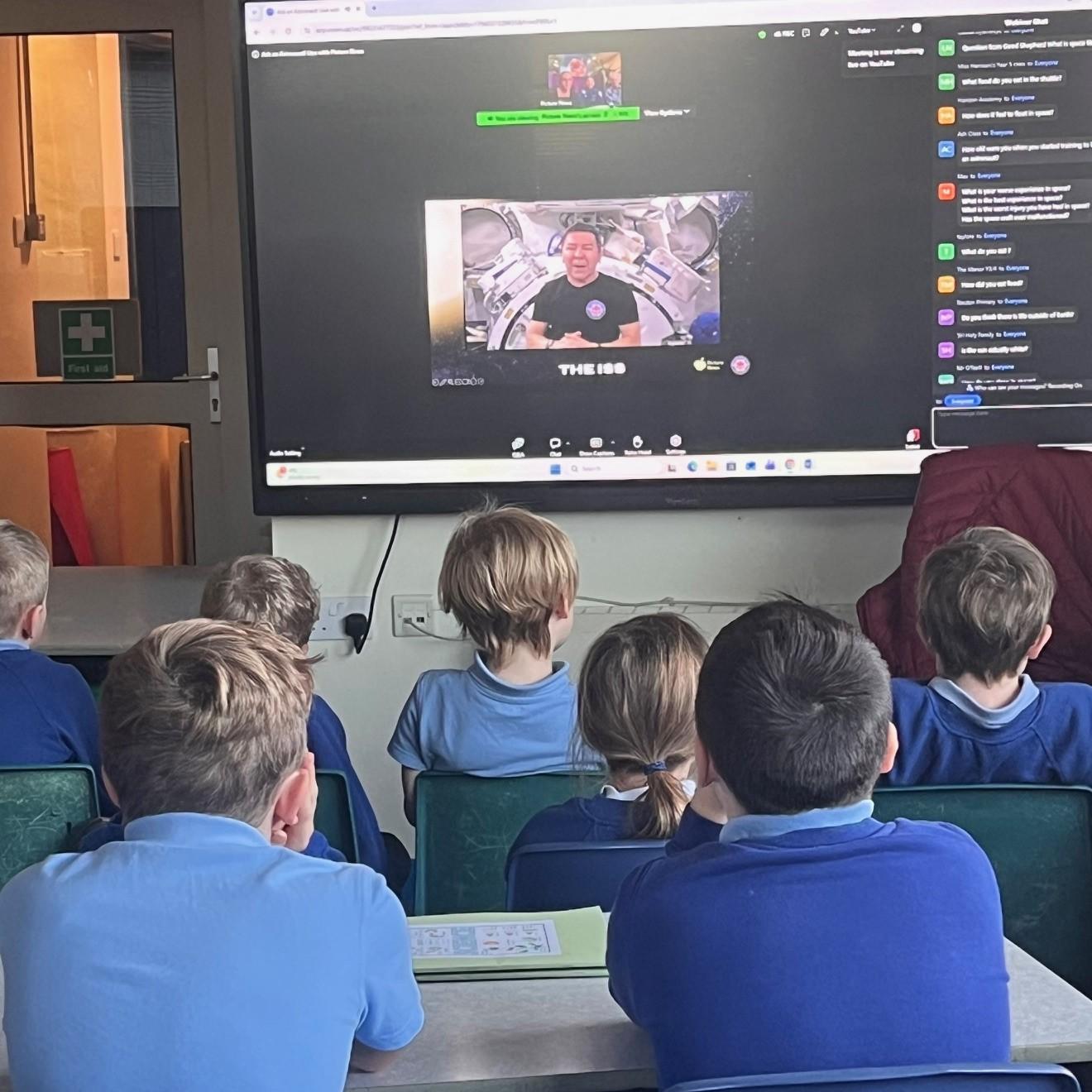
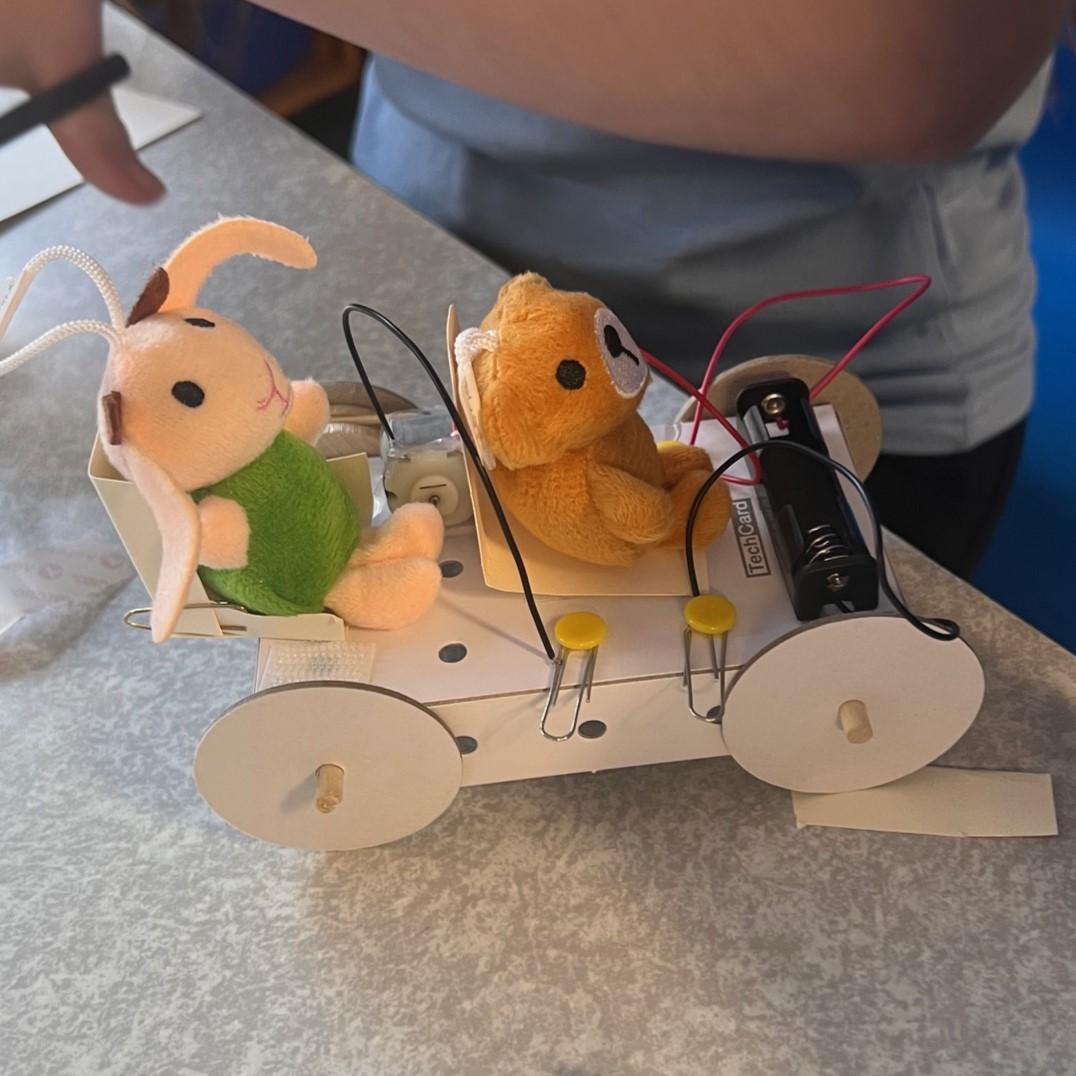
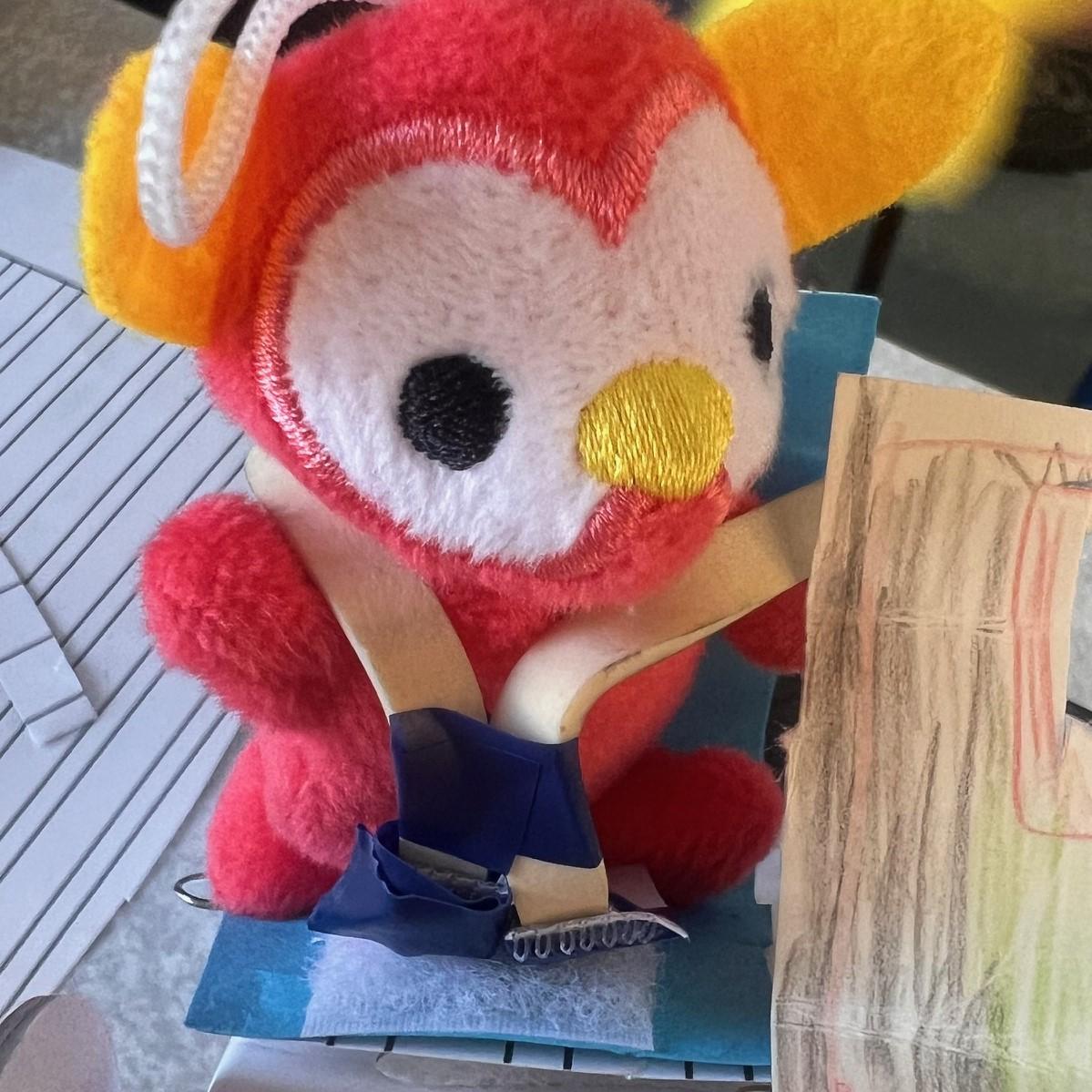
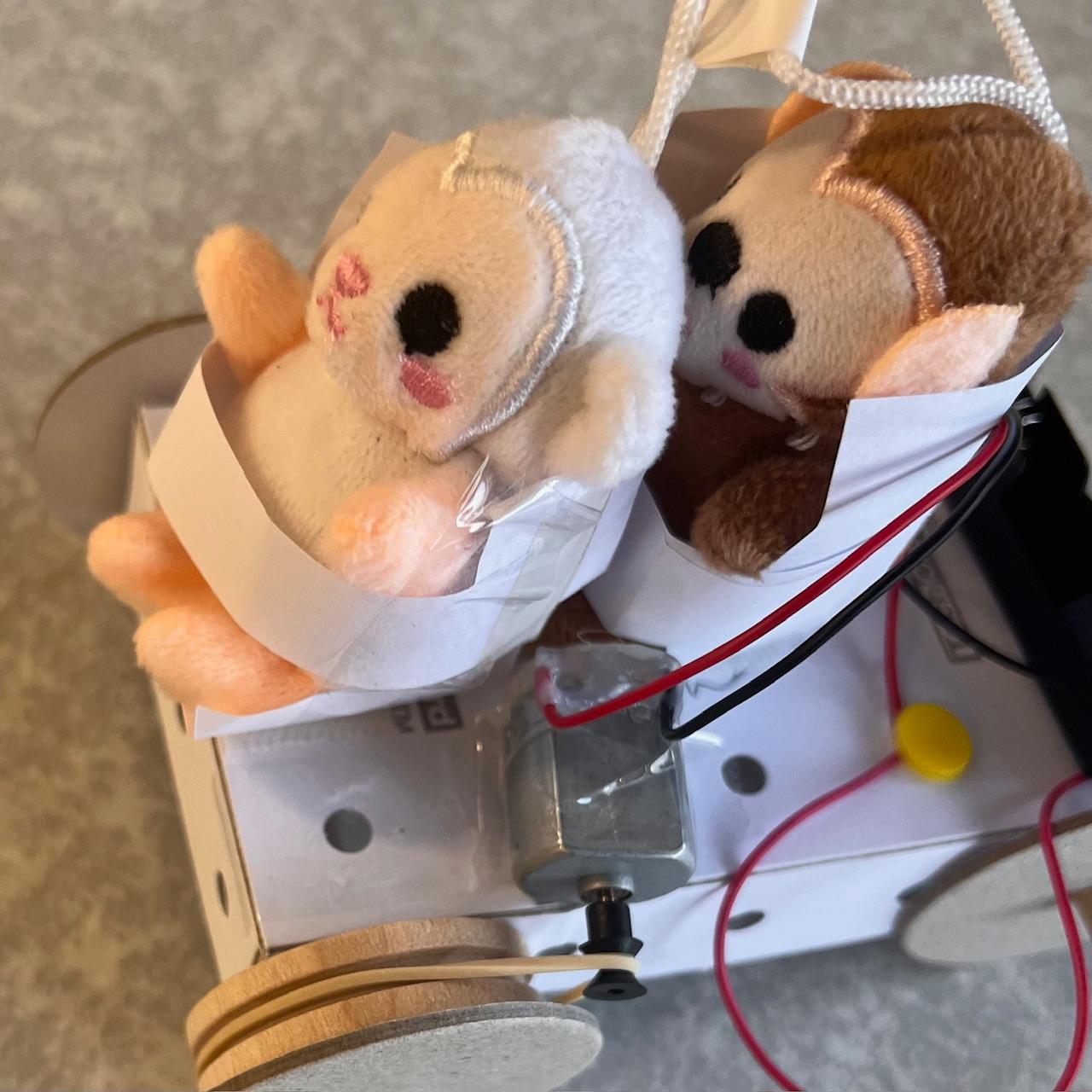
Class 4 Space Buggy Project - creating a seat for teddy
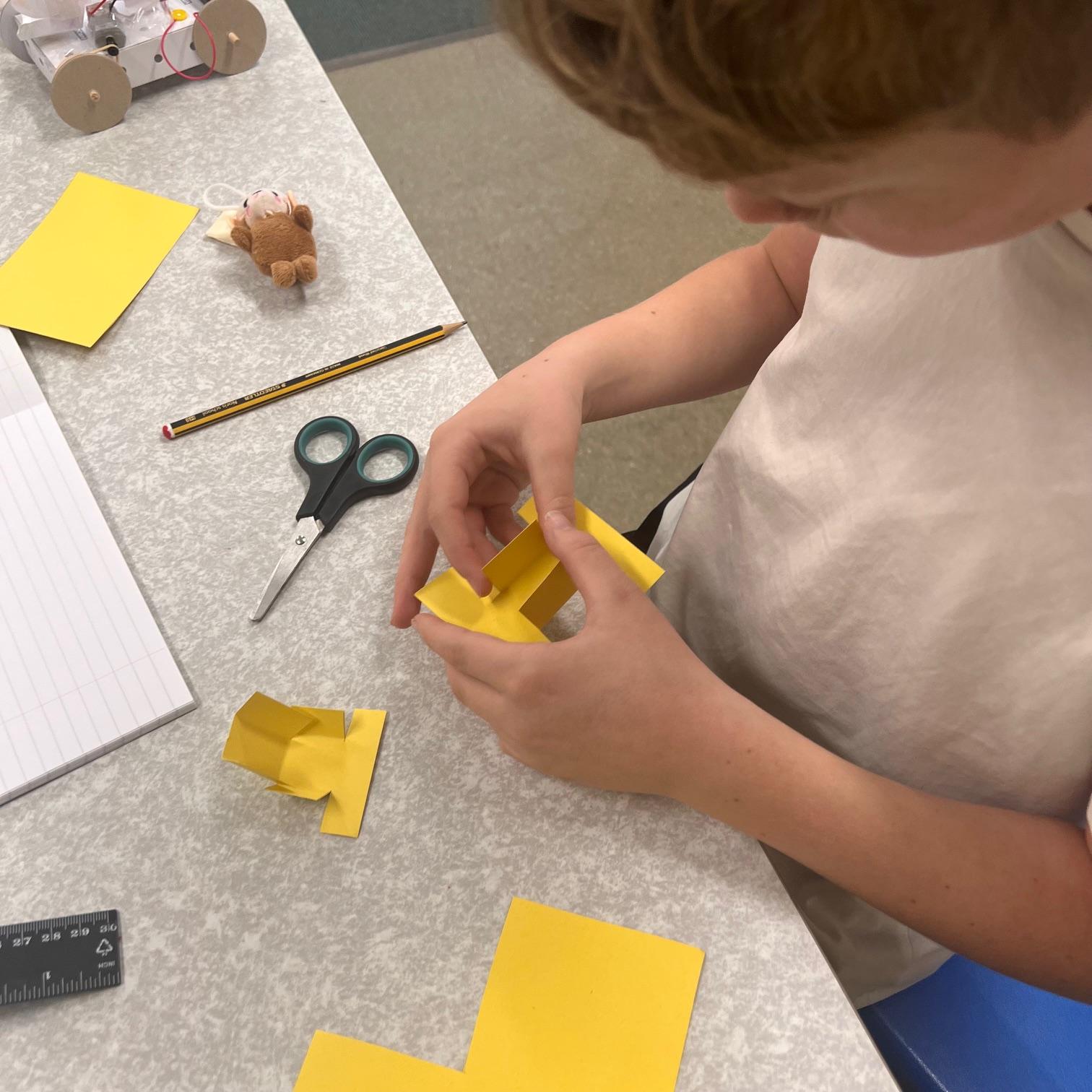
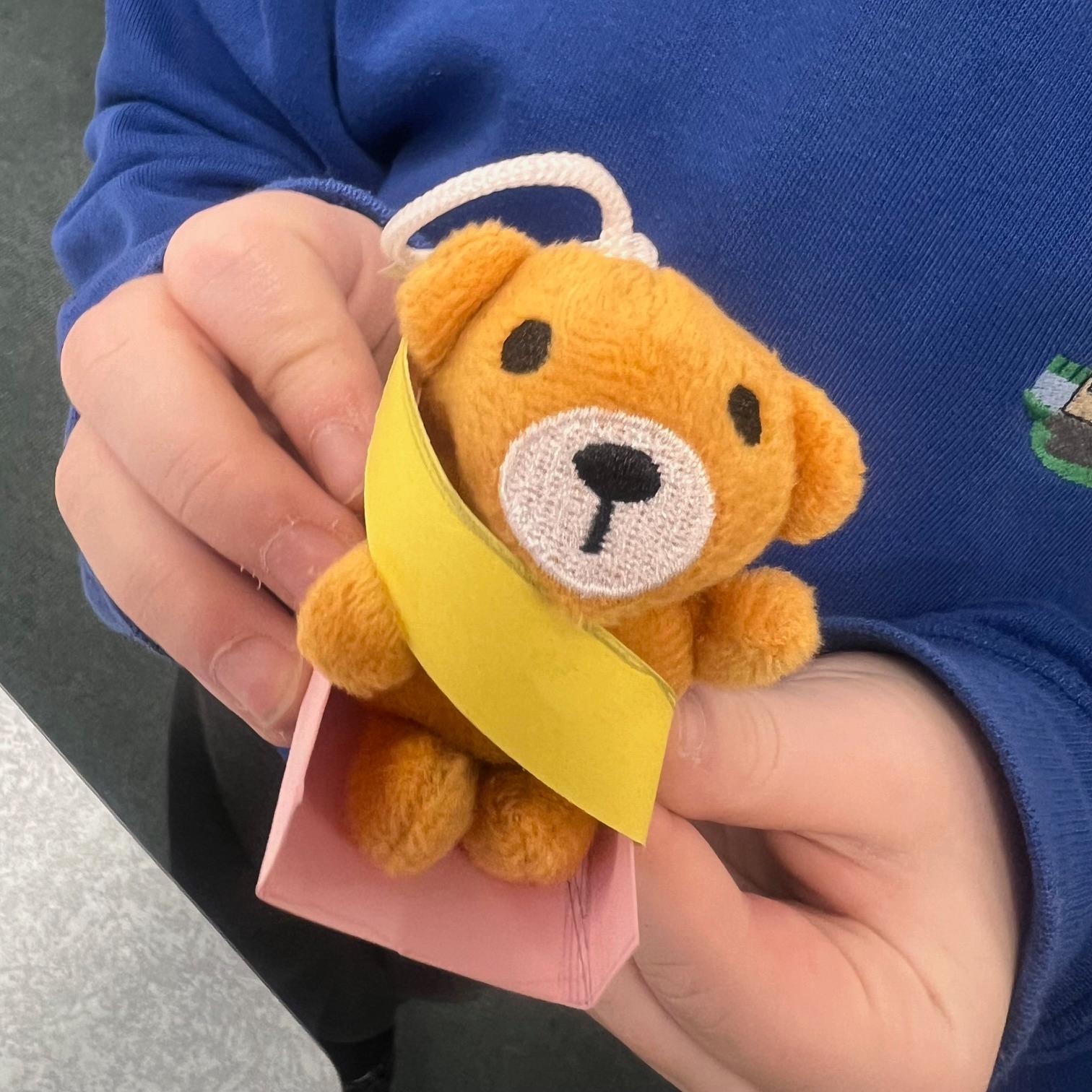
Each child was given a tiny teddy. The challenge was to make a safety seat for them.
- the teddy had to remain in the seat whilst the buggy was moving but more importantly it had to remain safely strapped in when the buggy crashed into the classroom wall!
- they had to make a prototype first
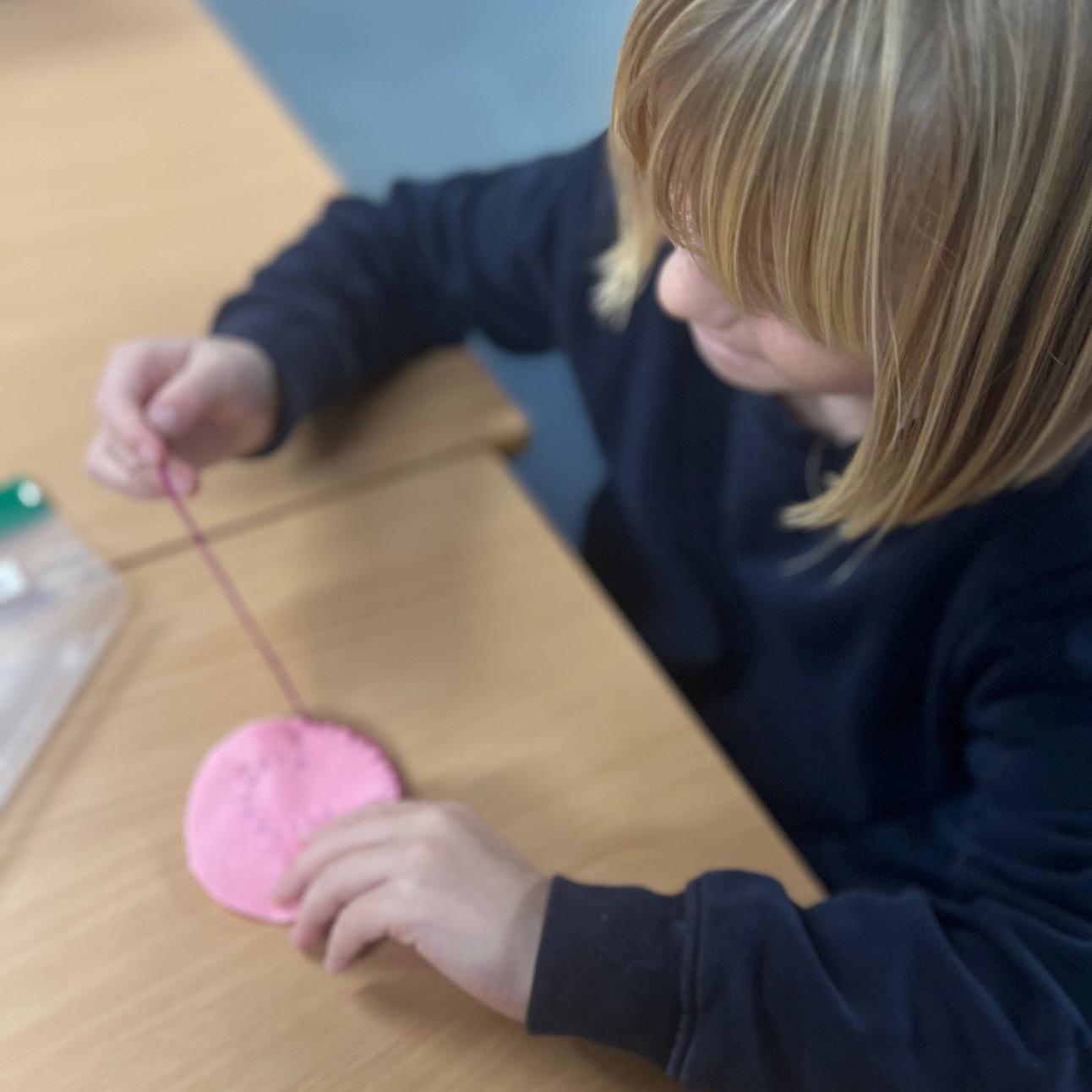
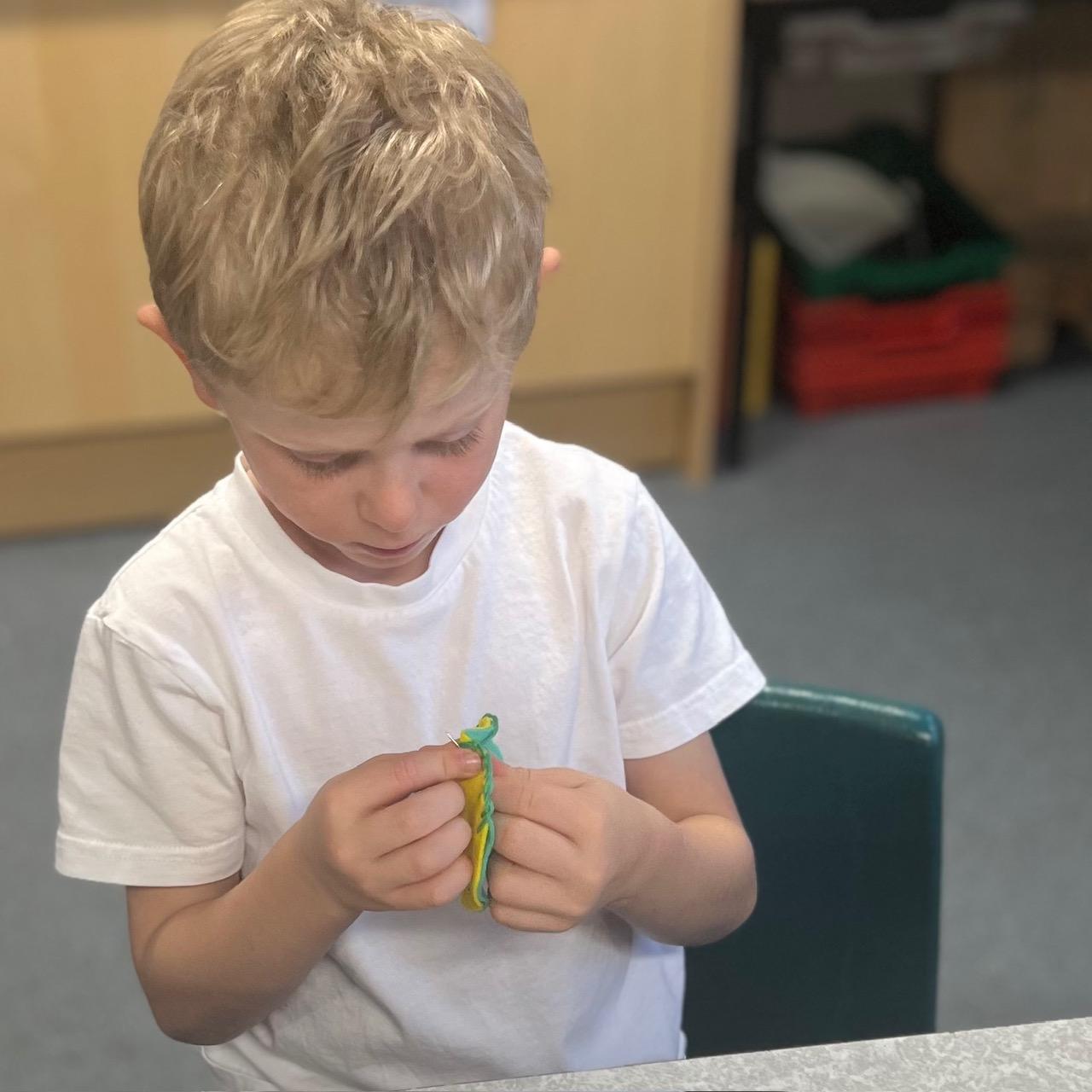
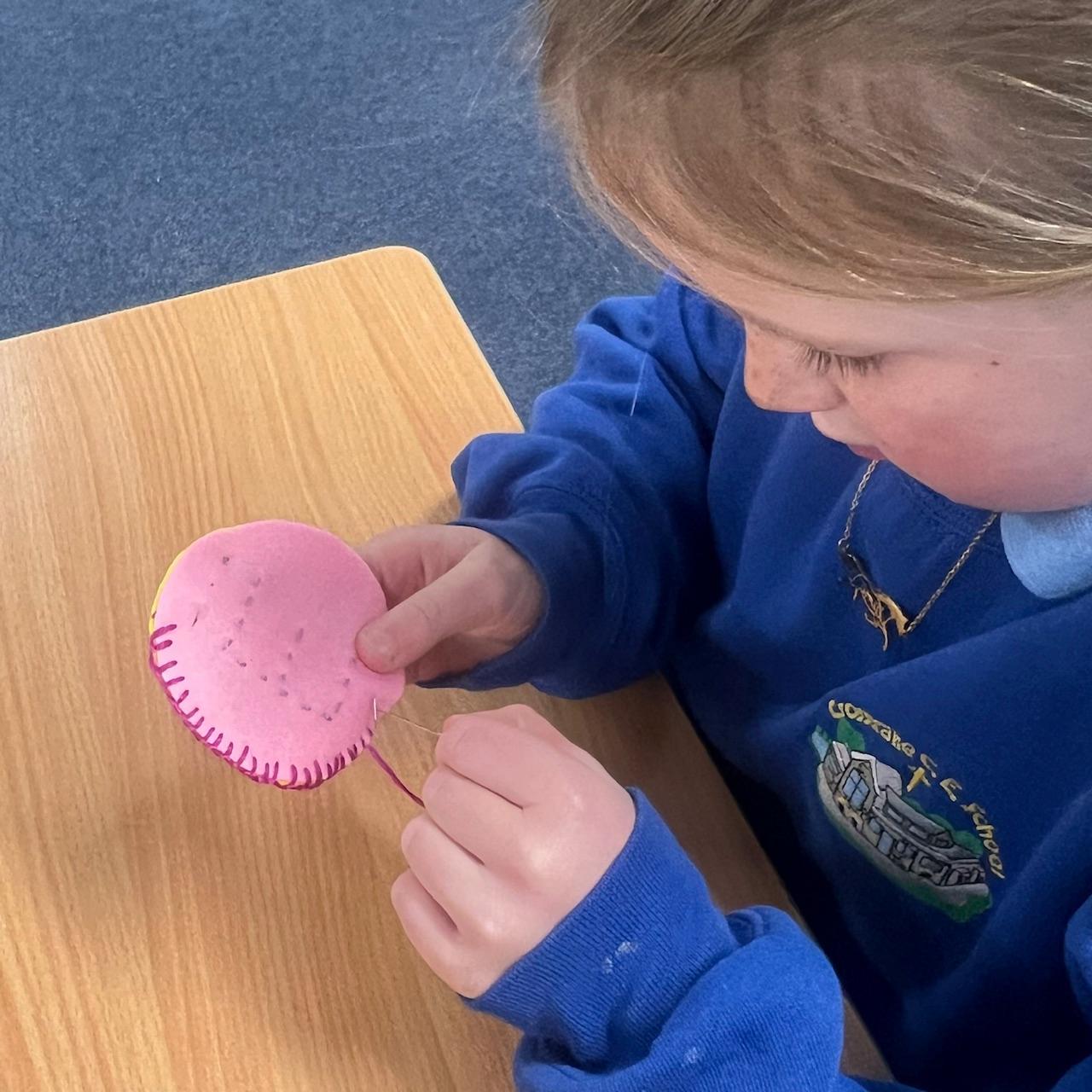
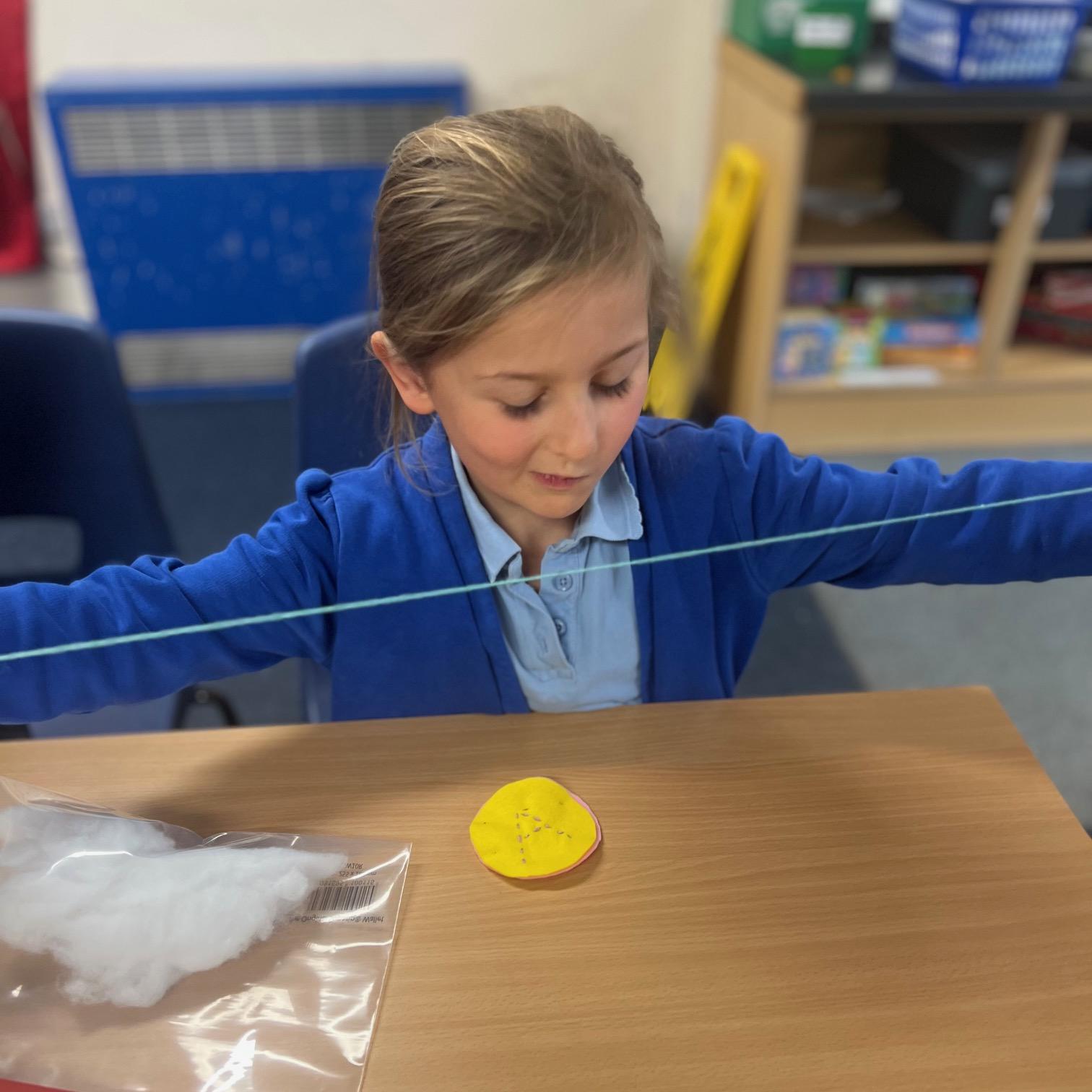
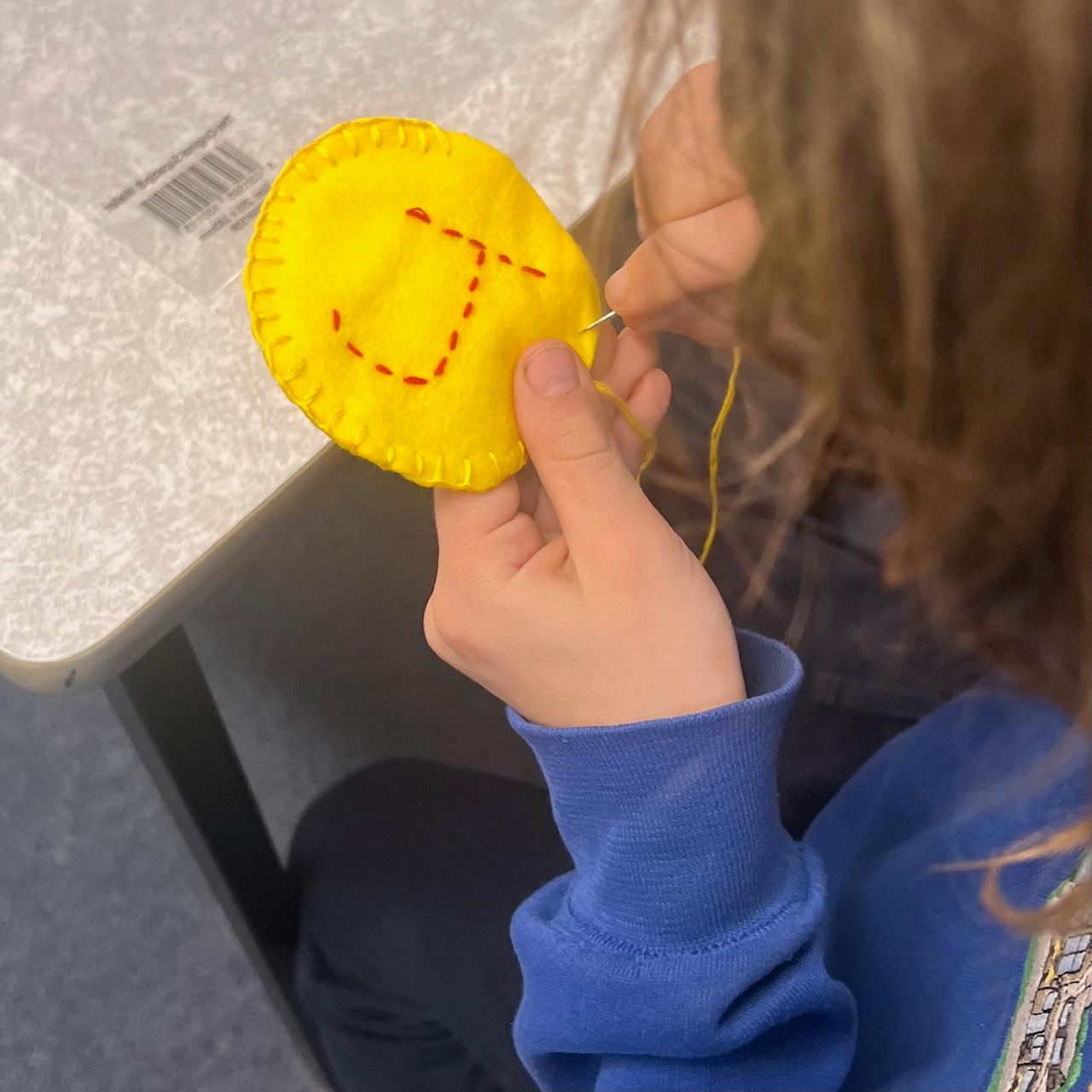
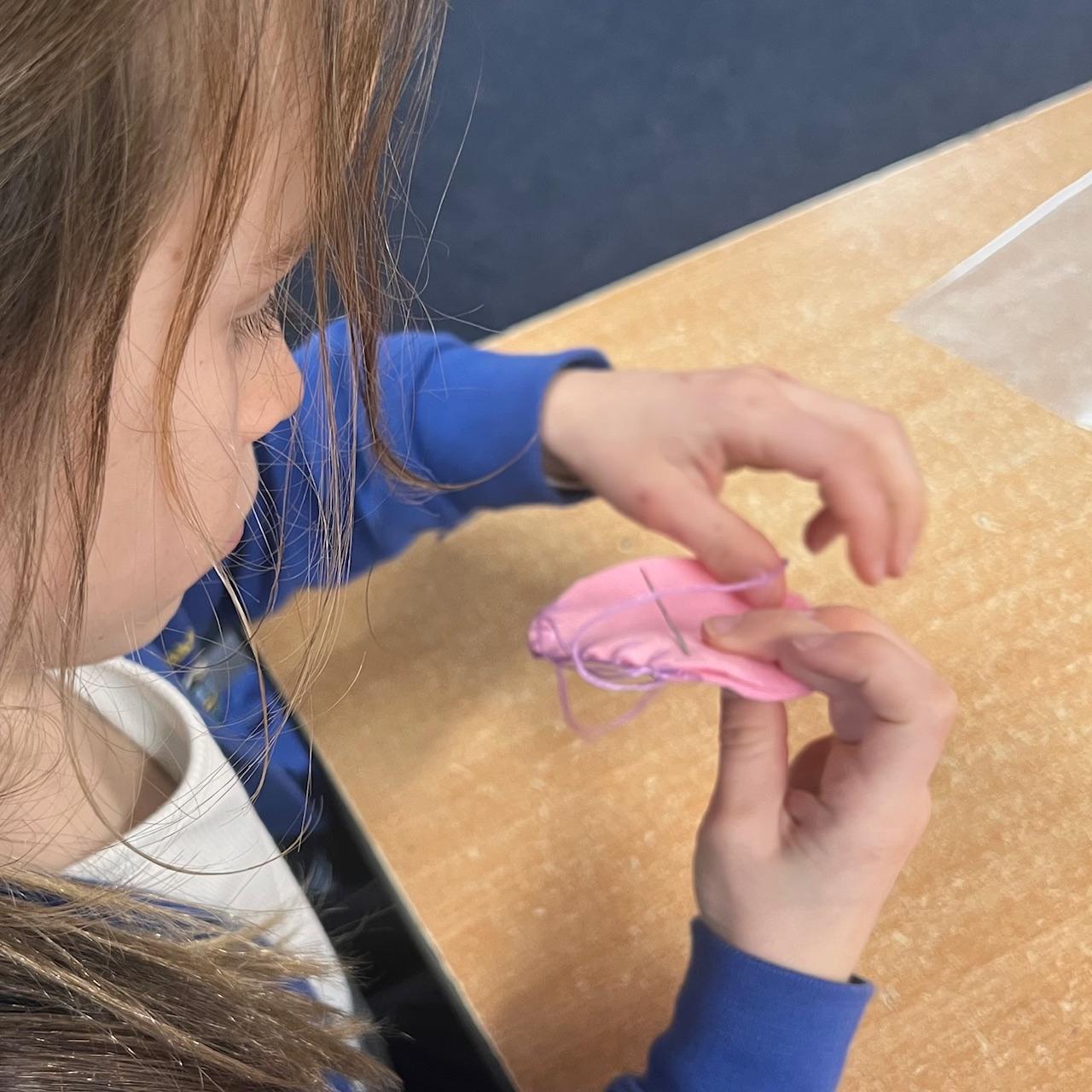
Class 3 - Design & Technology through Textiles - 2D shape to 3D product
- learning about fabric types and issues with fraying
- leaning two different types of stitches and their uses
- learning the technique of using heat erase pens
After this task, the children will use what they have learnt to design and create their own Christmas decoration.
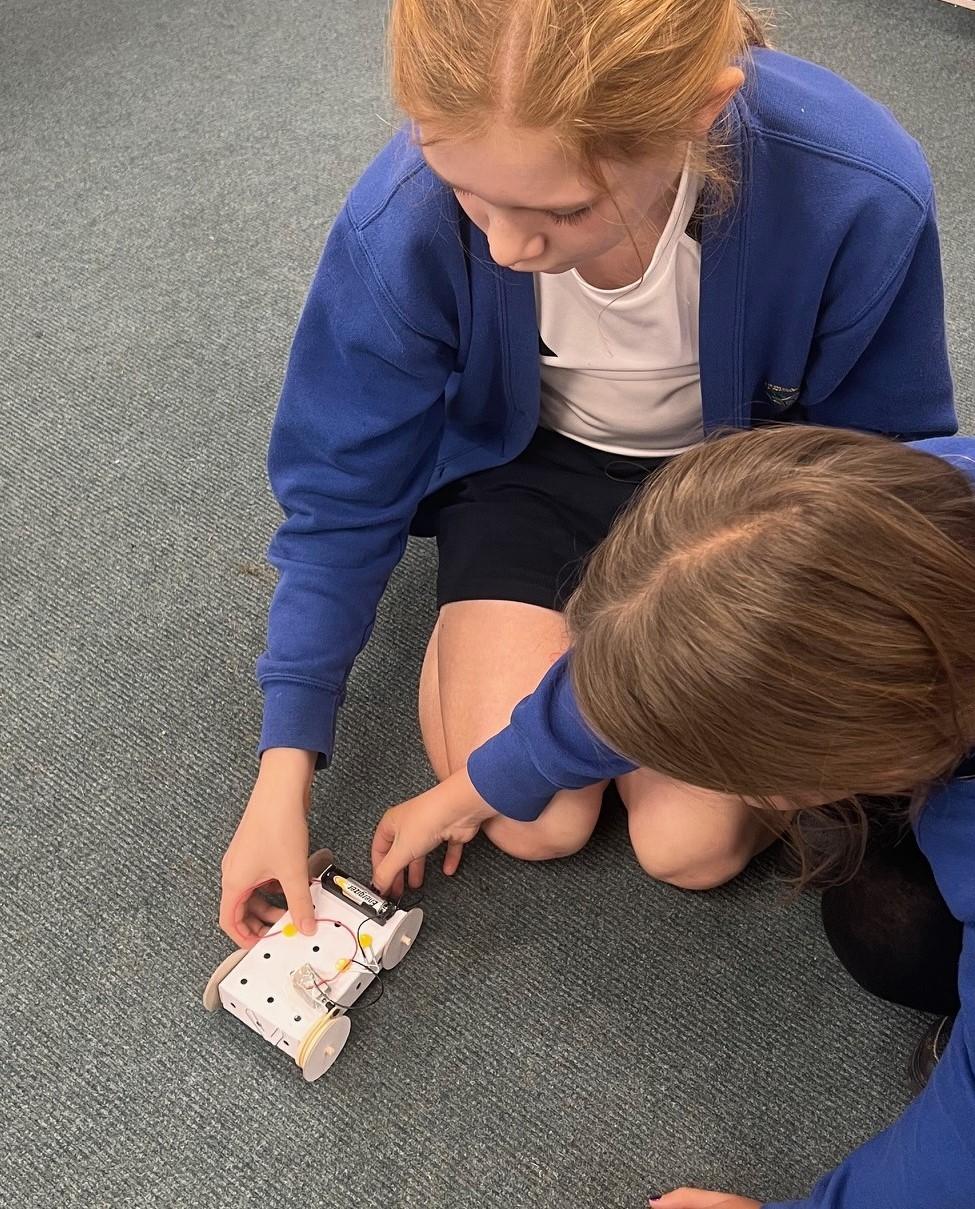
How can we make our Space Buggy drive straight instead of curved?
They realised that the corners of the frame were not glued accurately enough, which meant that the holes where the axle was threaded, did not meet up properly. Once resolved, the axle was able to move freely allowing the buggy to drive straight. Brilliant engineer thinking!
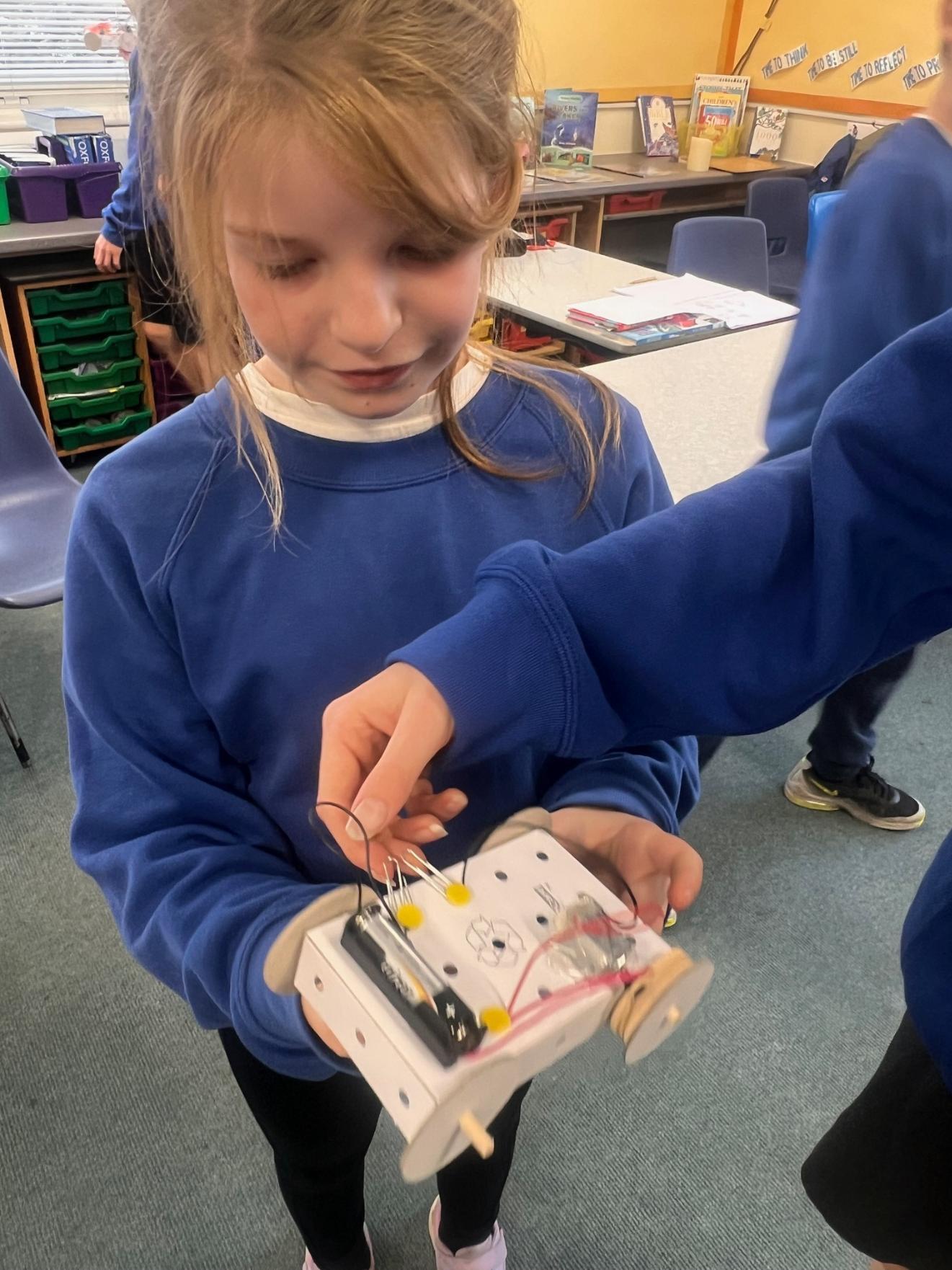
Prior knowledge of electrical circuits, helped solve space buggy fault.
The children realised that a break in the circuit was preventing the motor from working. It was a fault in the battery holder wires!
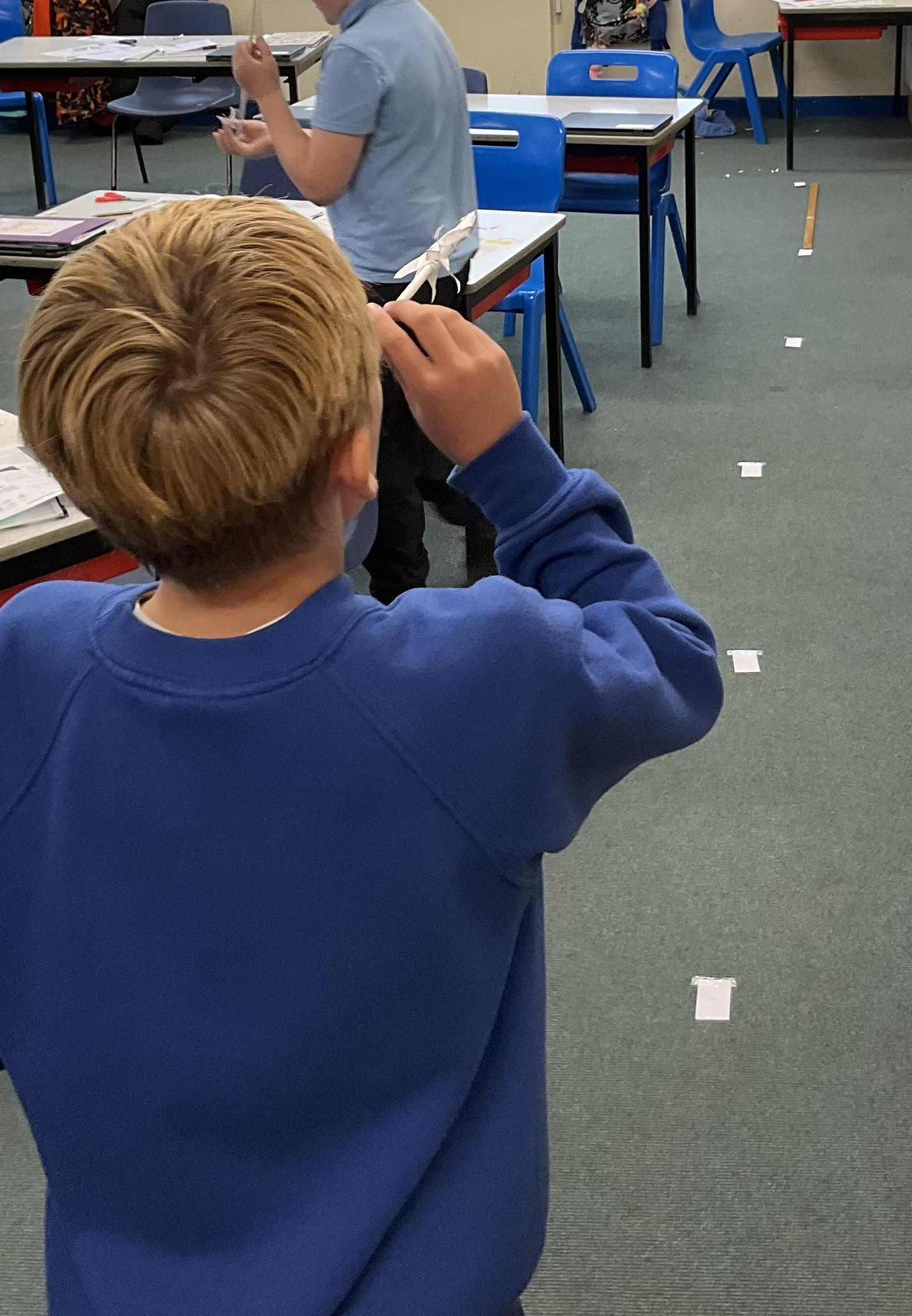
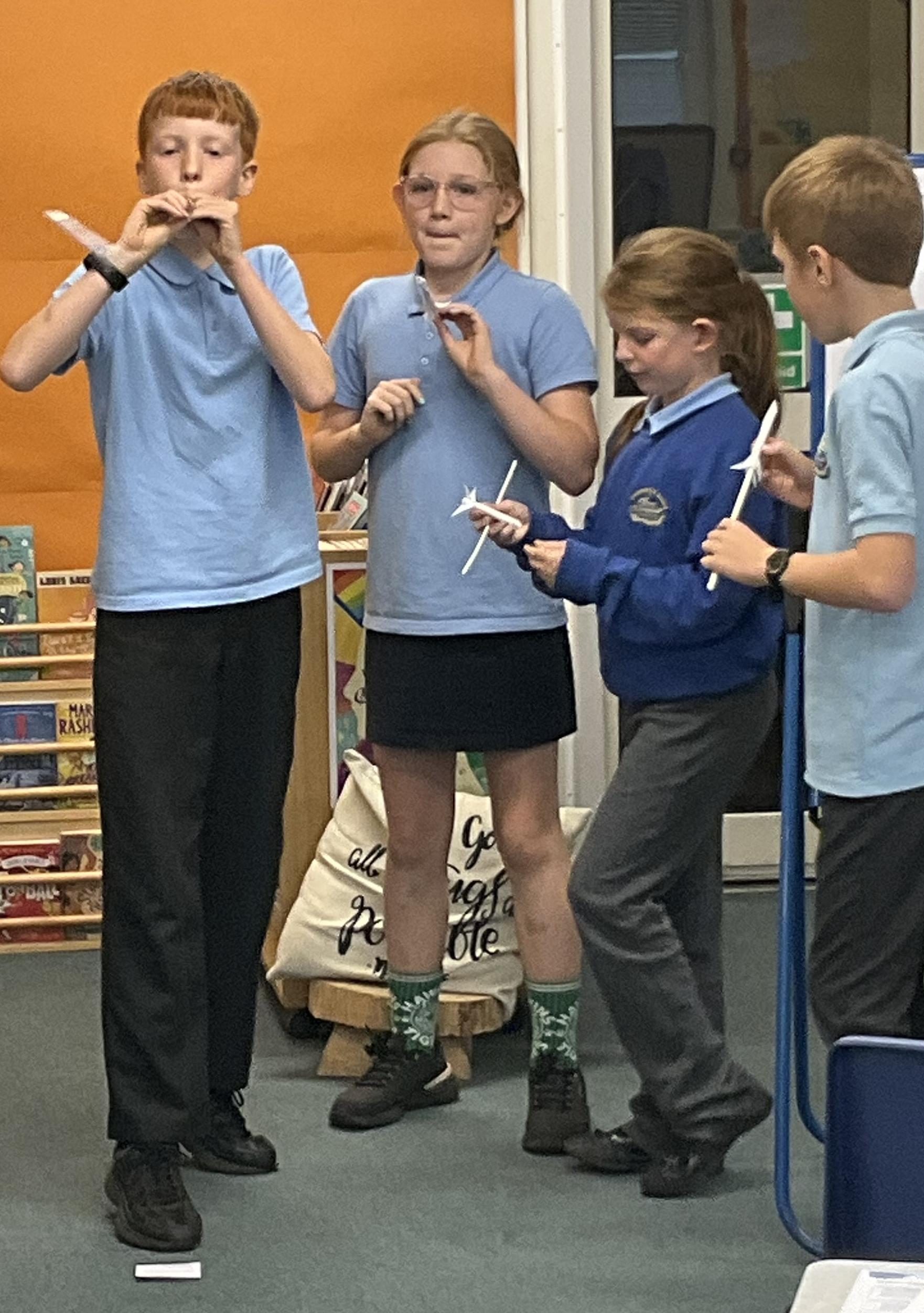
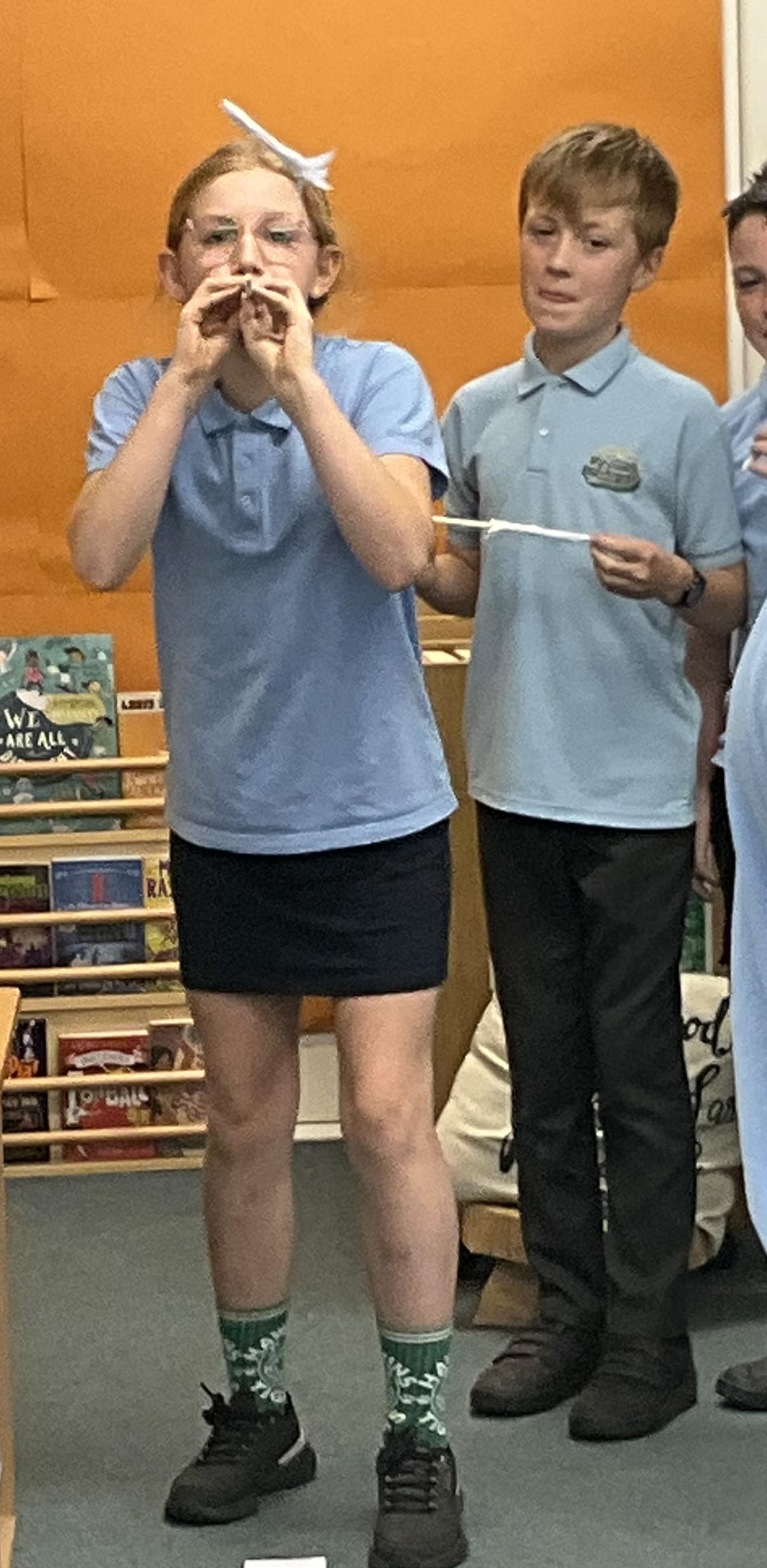
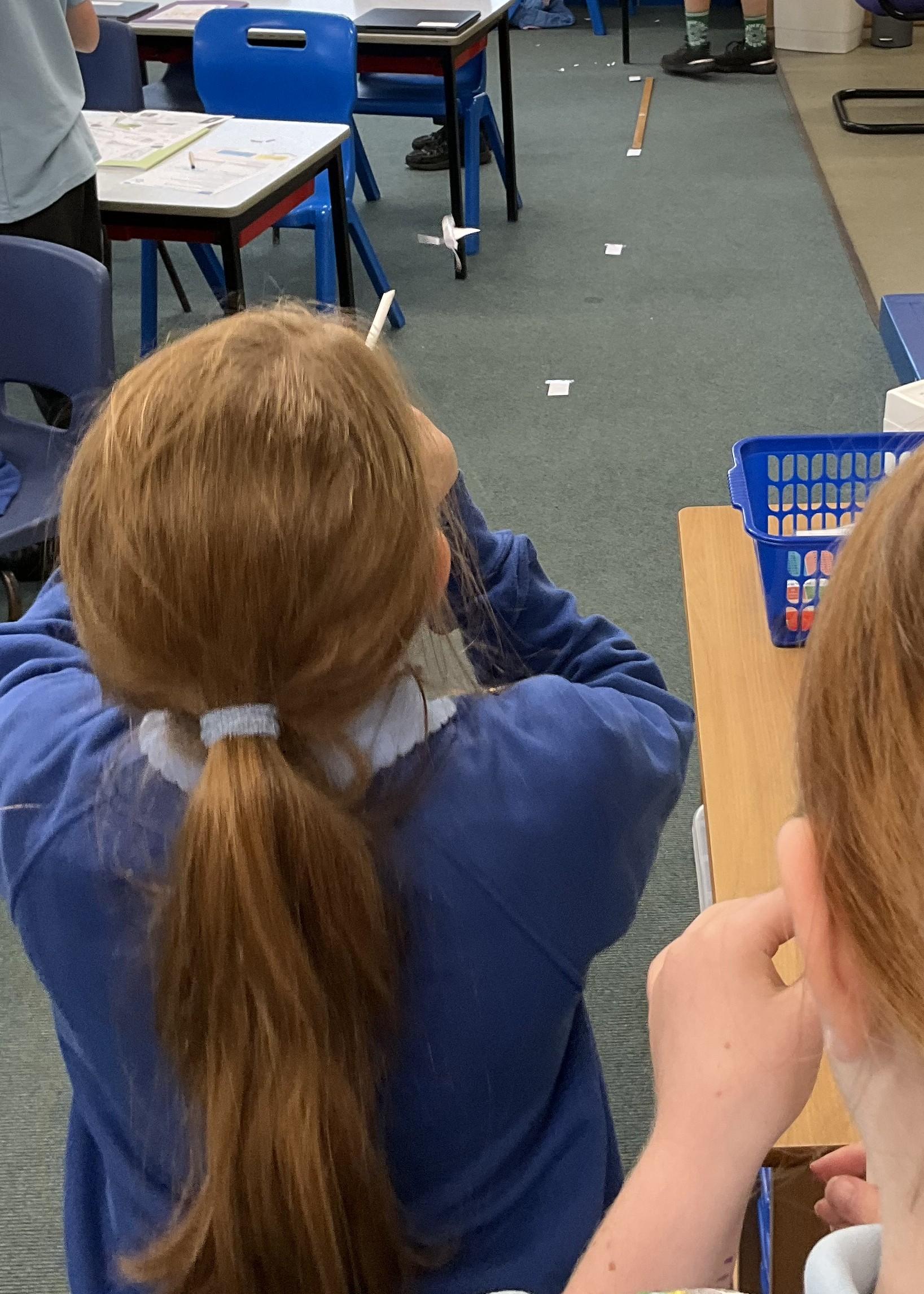
Celebrating World Space Week by making and testing ROCKETS!
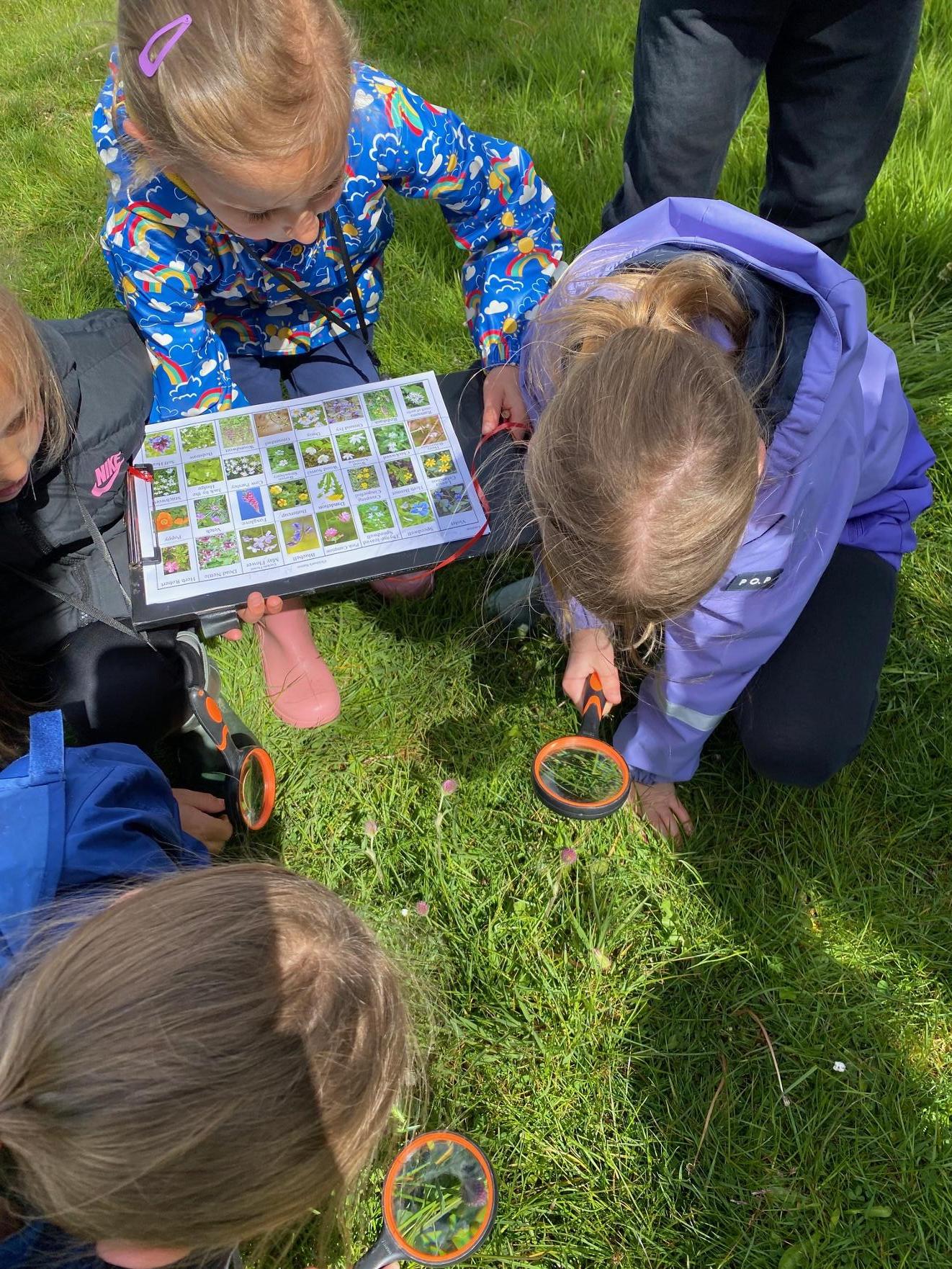
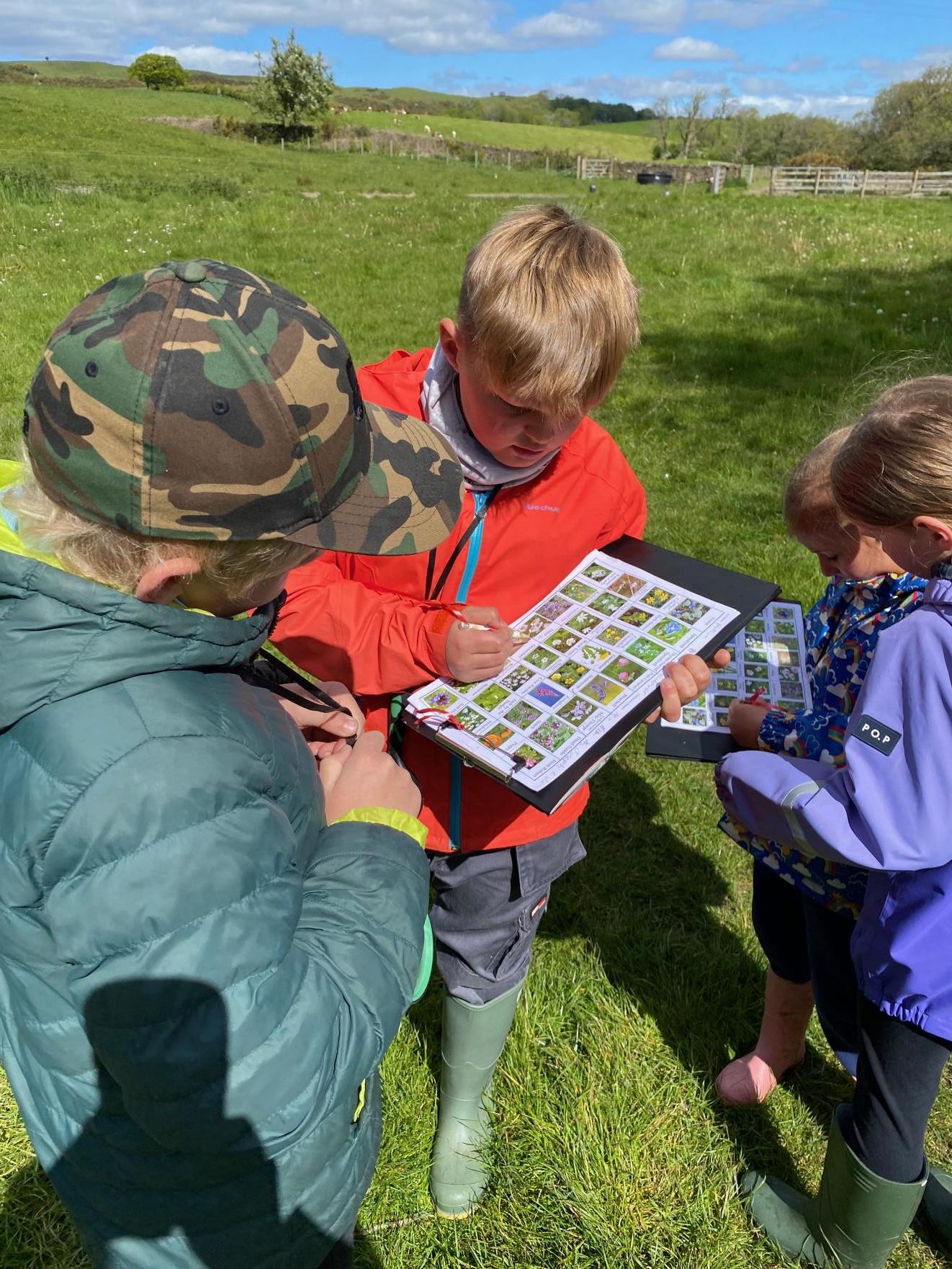
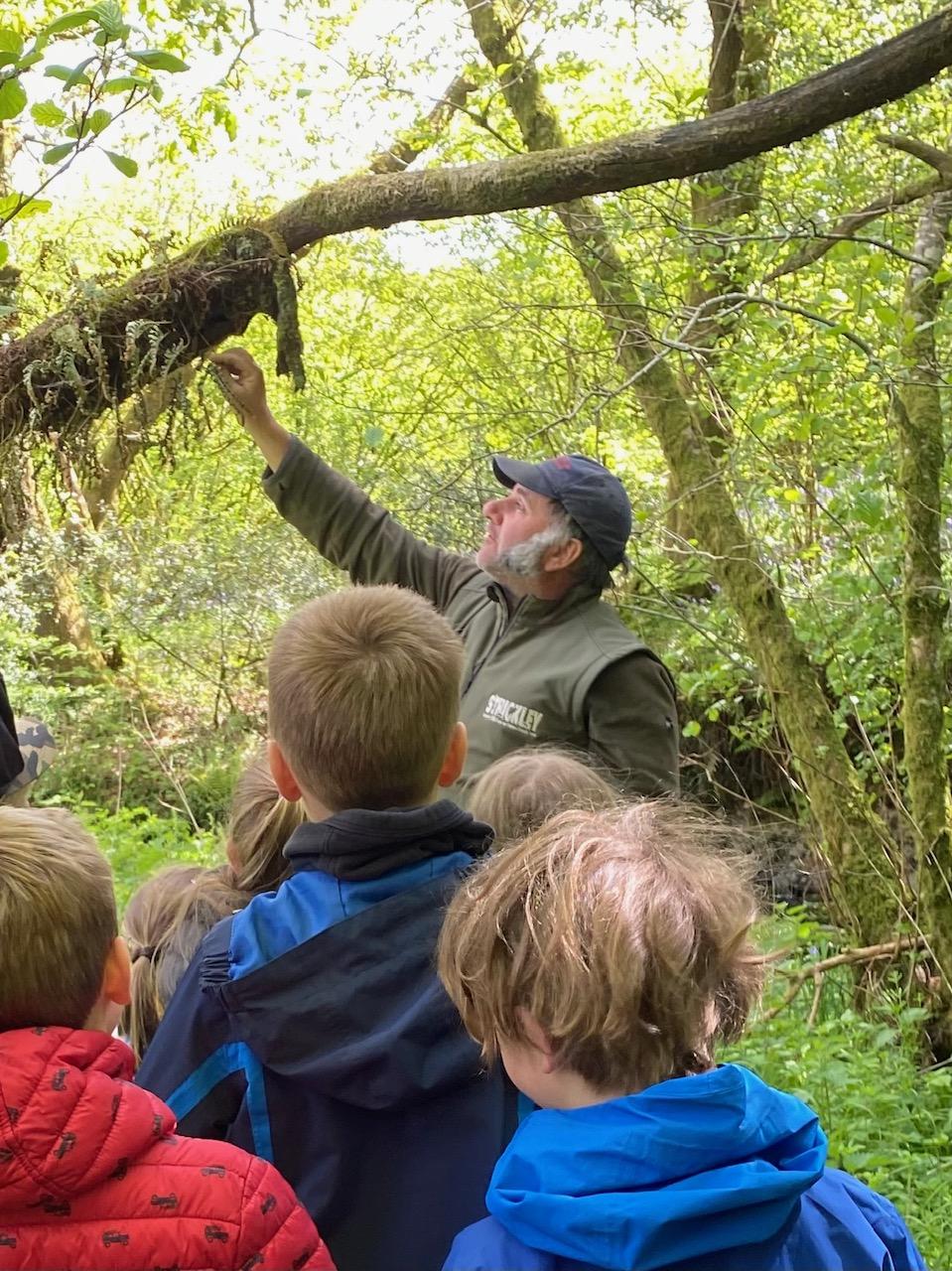
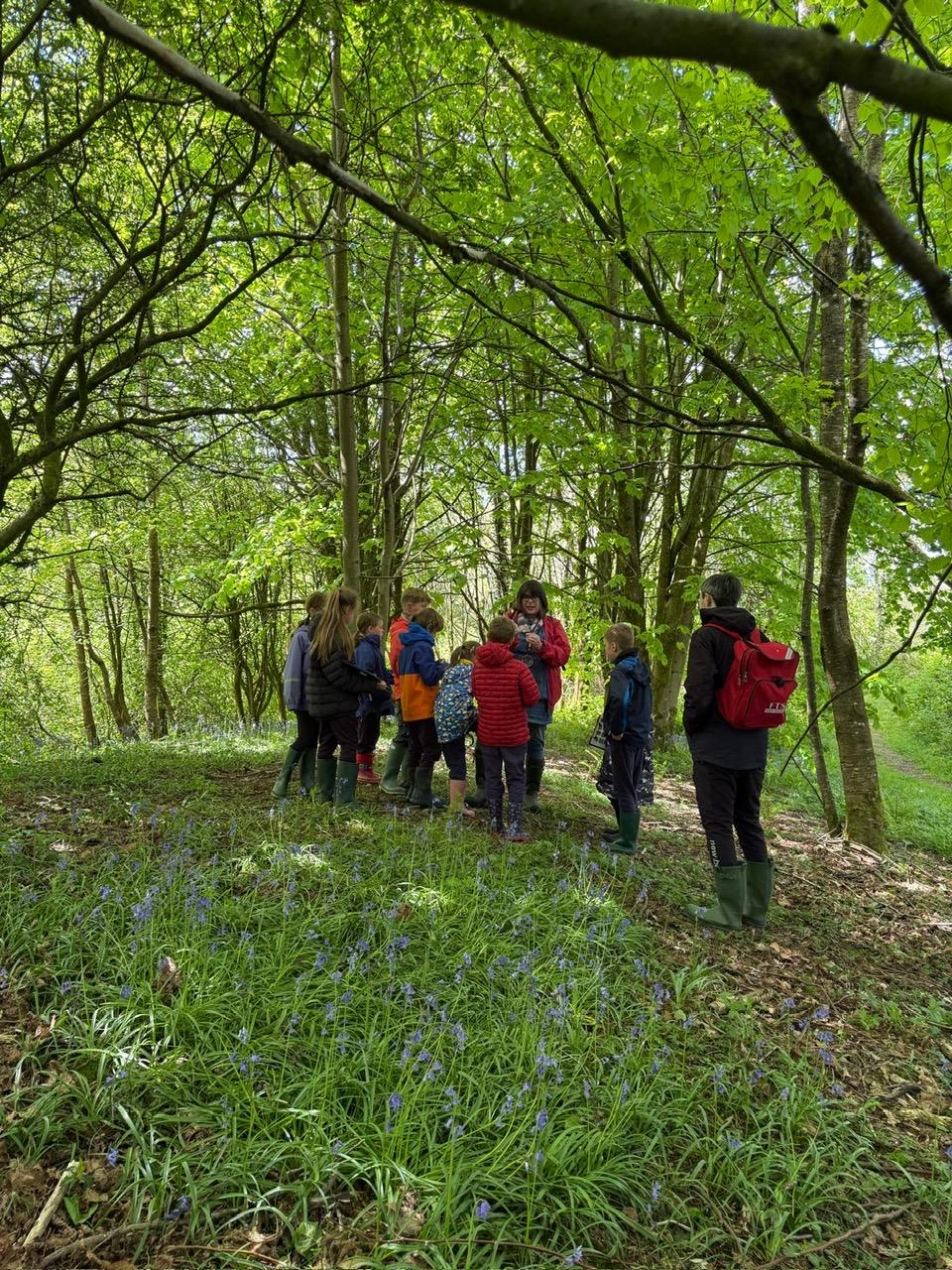
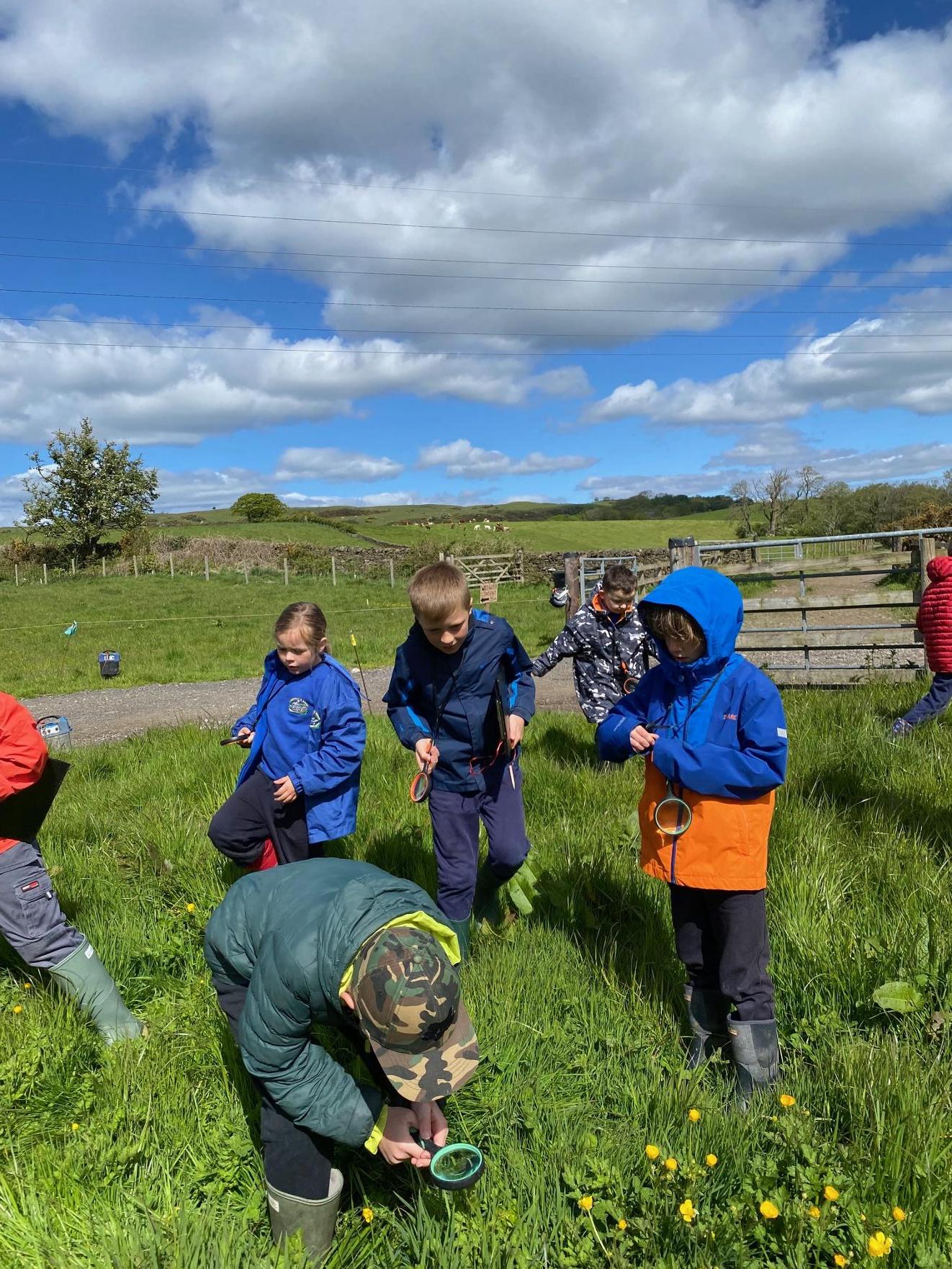
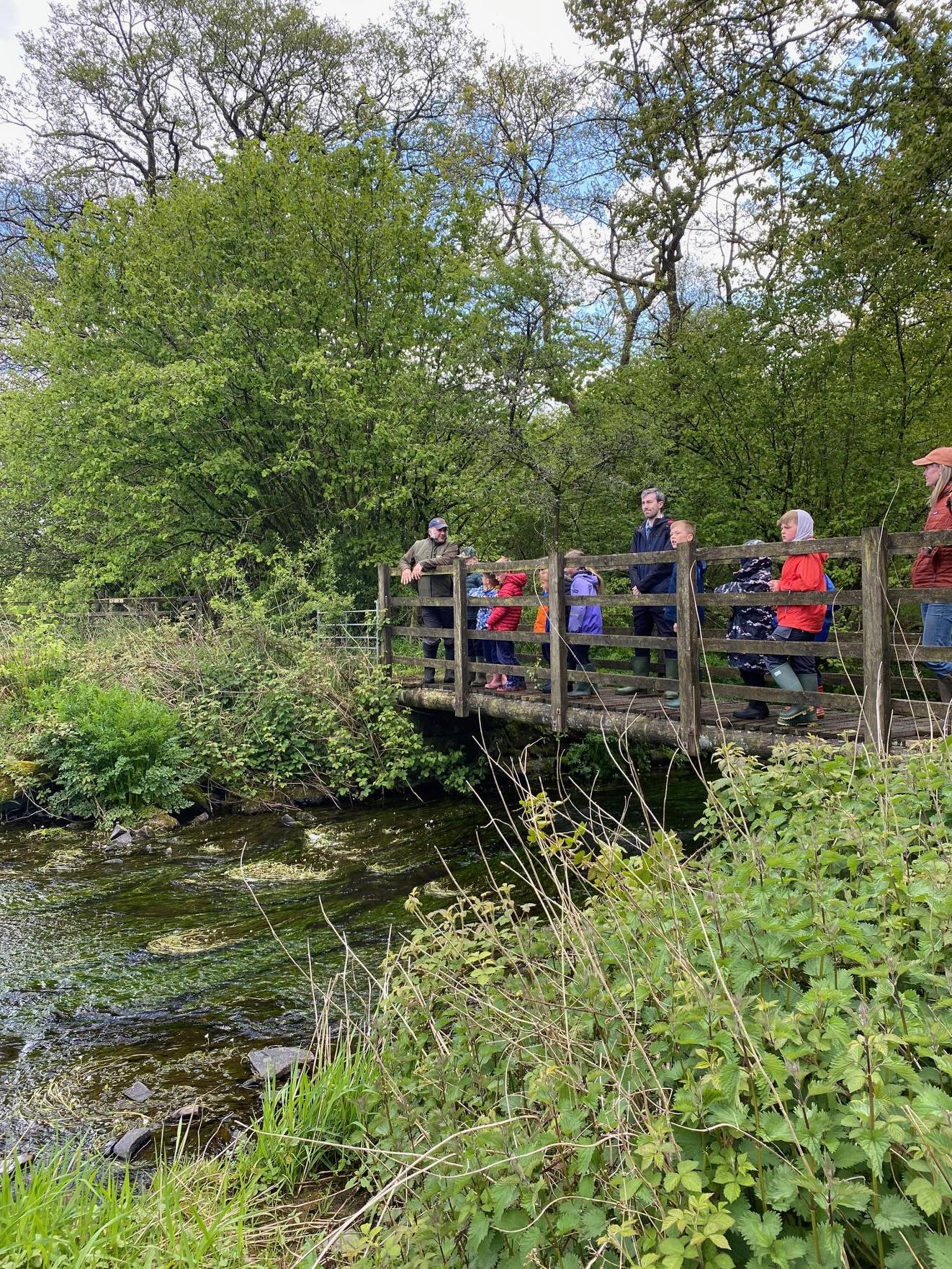
Wildflower Field Trip at Strickley
The children studied 4 different areas of the farm to compare the flowers that grew there. Woodland, Meadow, Pasture and Hedgerow. They found that although the woodland was covered in bluebells, the wildflowers were more diverse in the hedgerows. Back at school, we interpreted the data collected by creating Venn Diagrams, which could then be easily read to learn more about the different habitats.
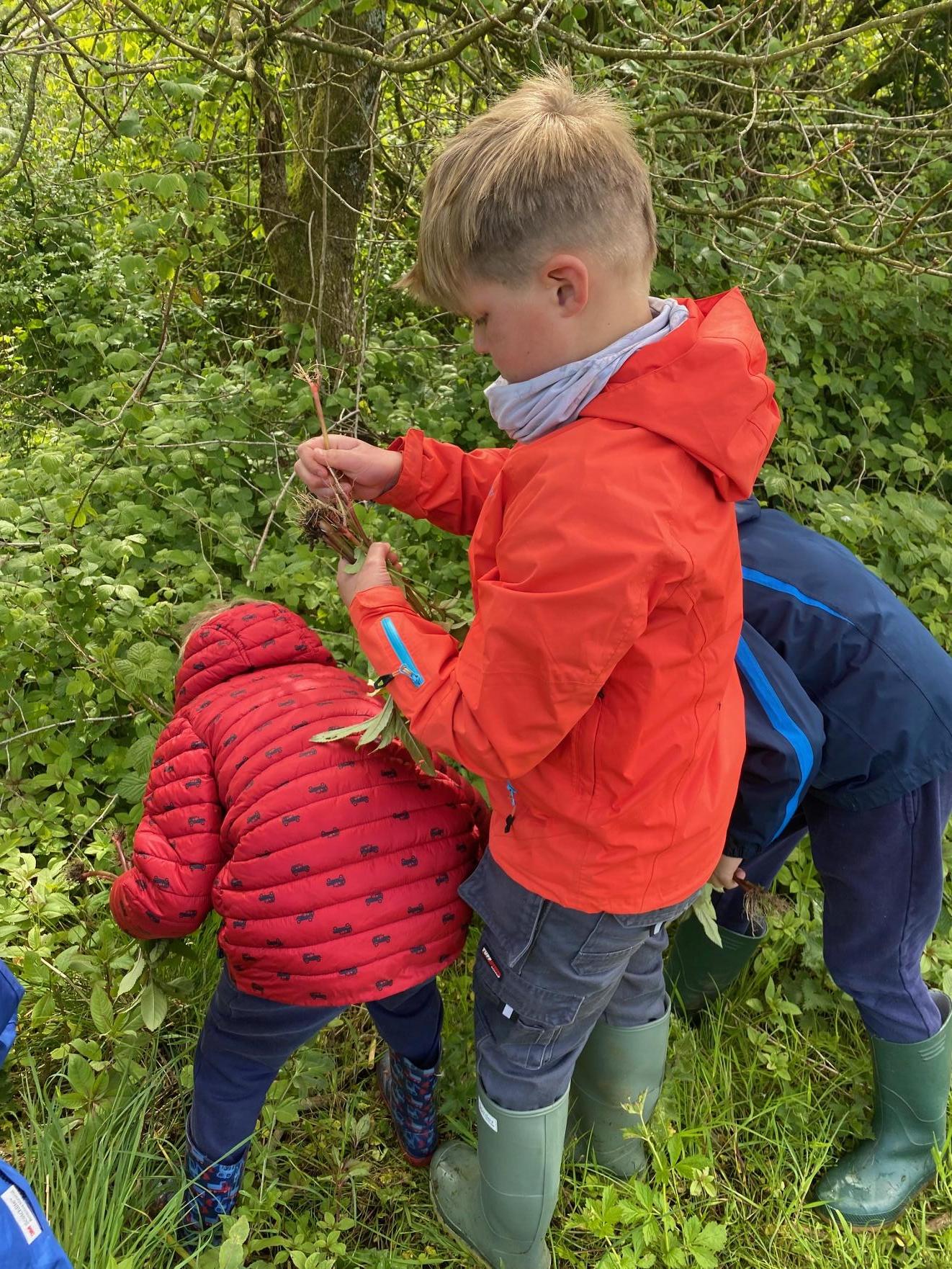
We also learnt about invasive species, helping to pull up over 300 Himalayan Balsam plants!
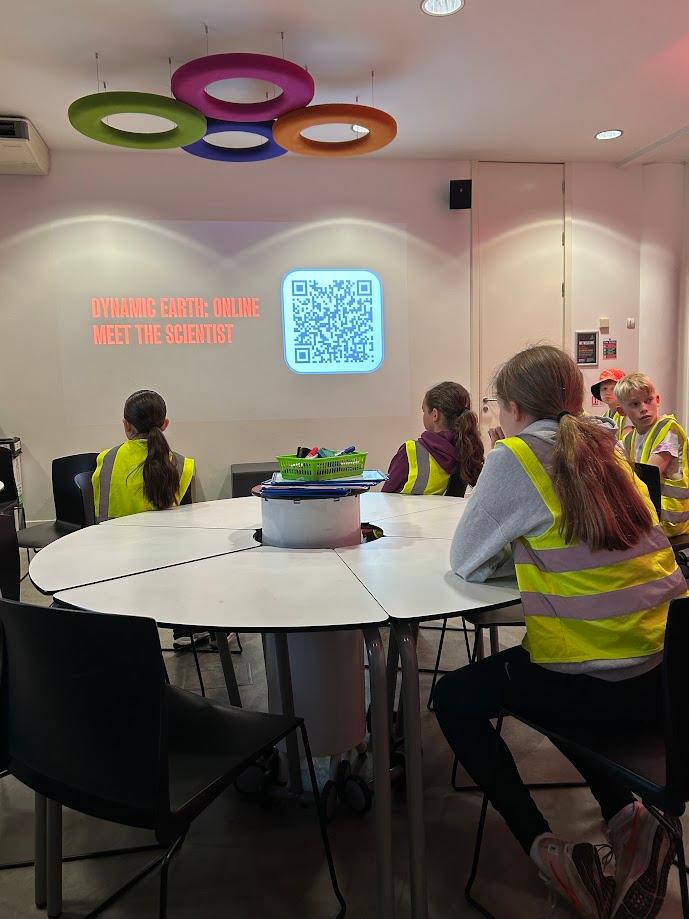
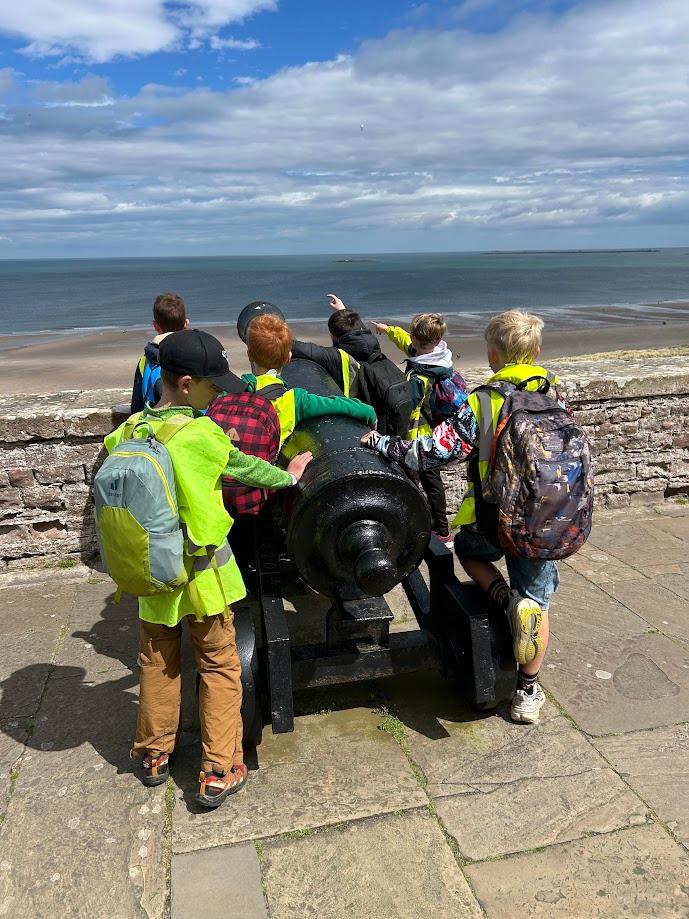
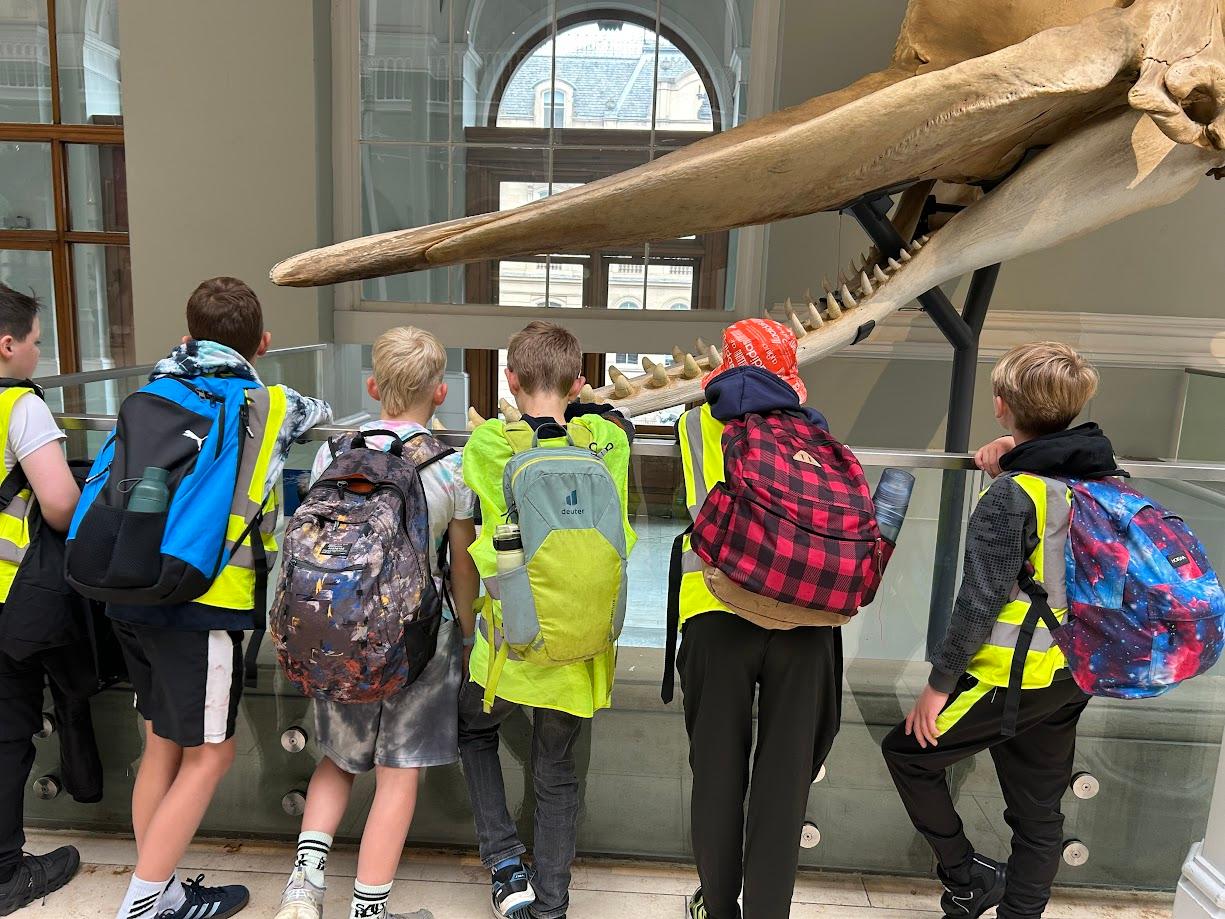
Class 4 Residential
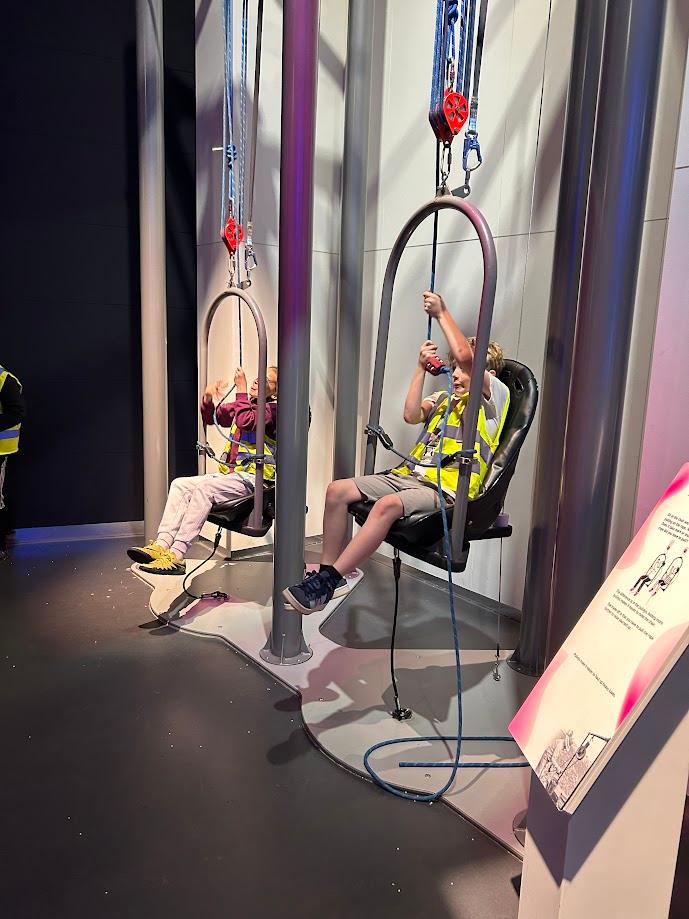

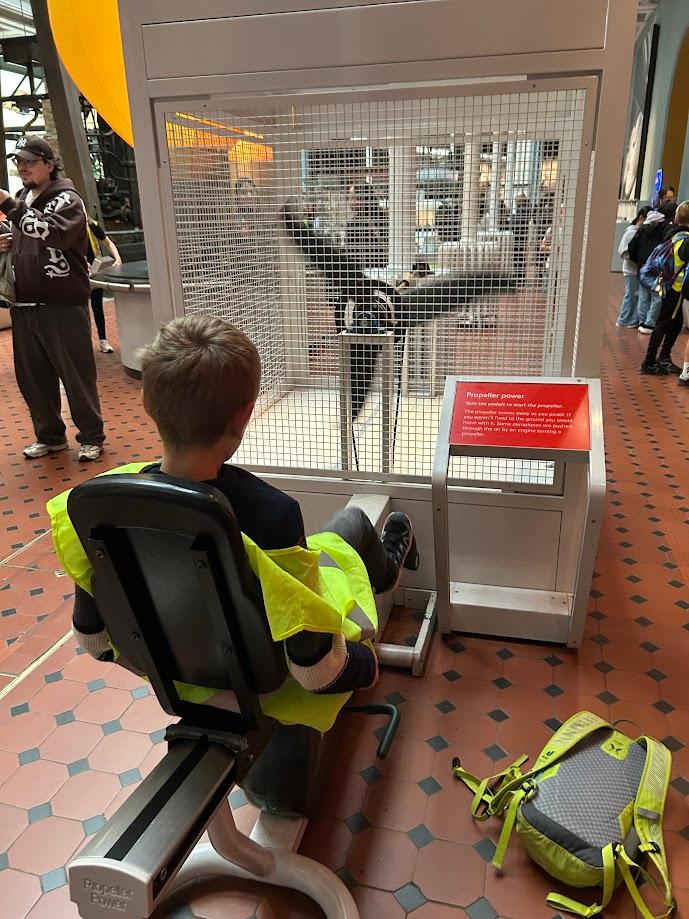
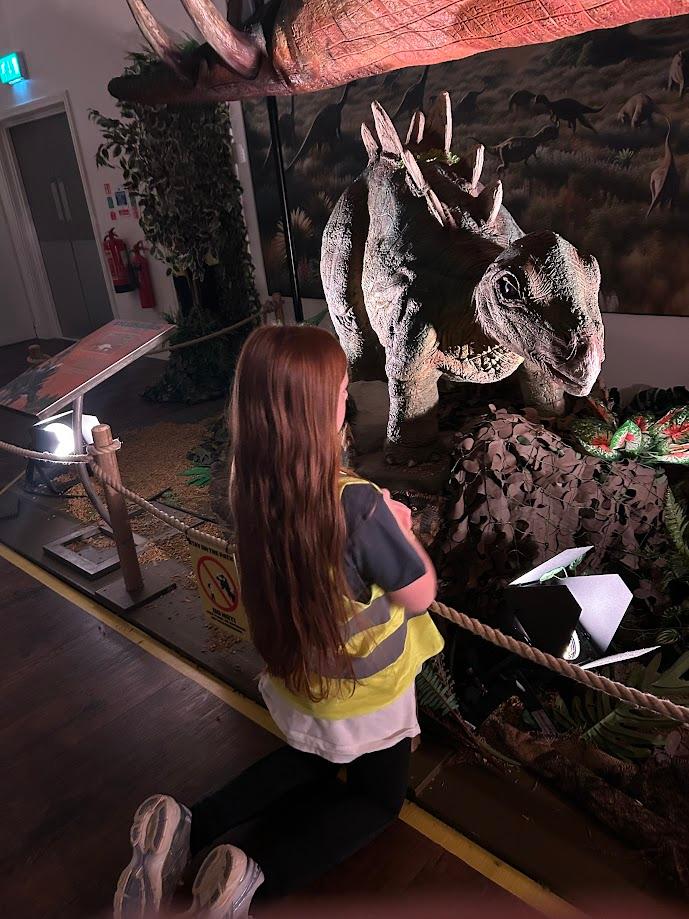
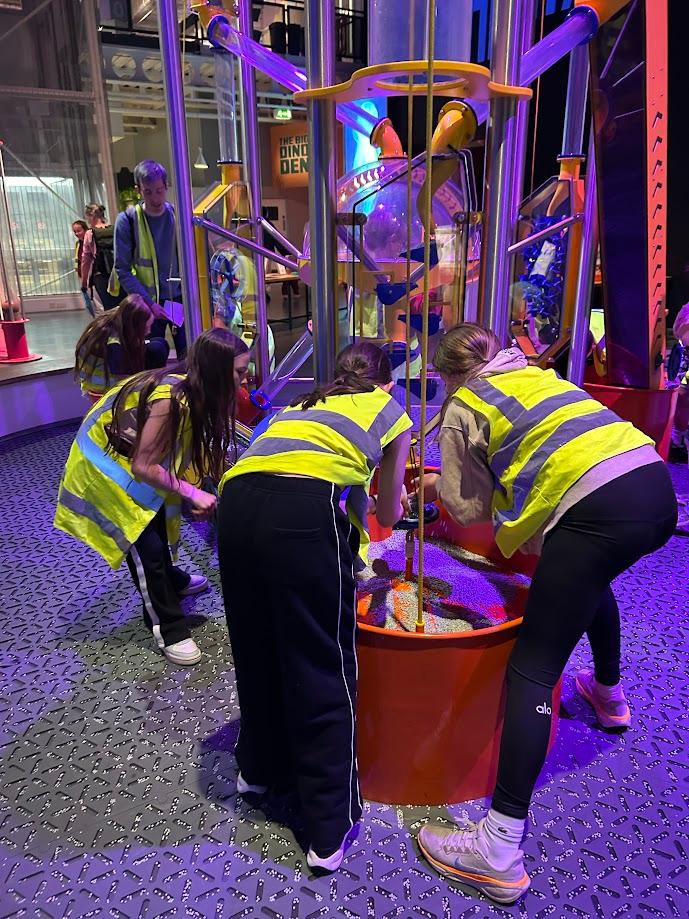
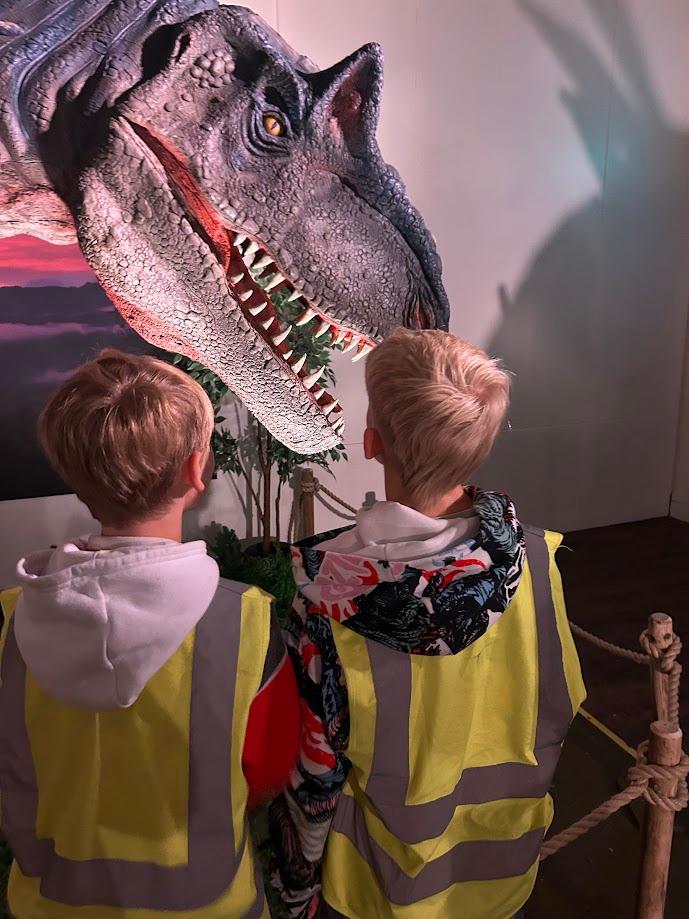
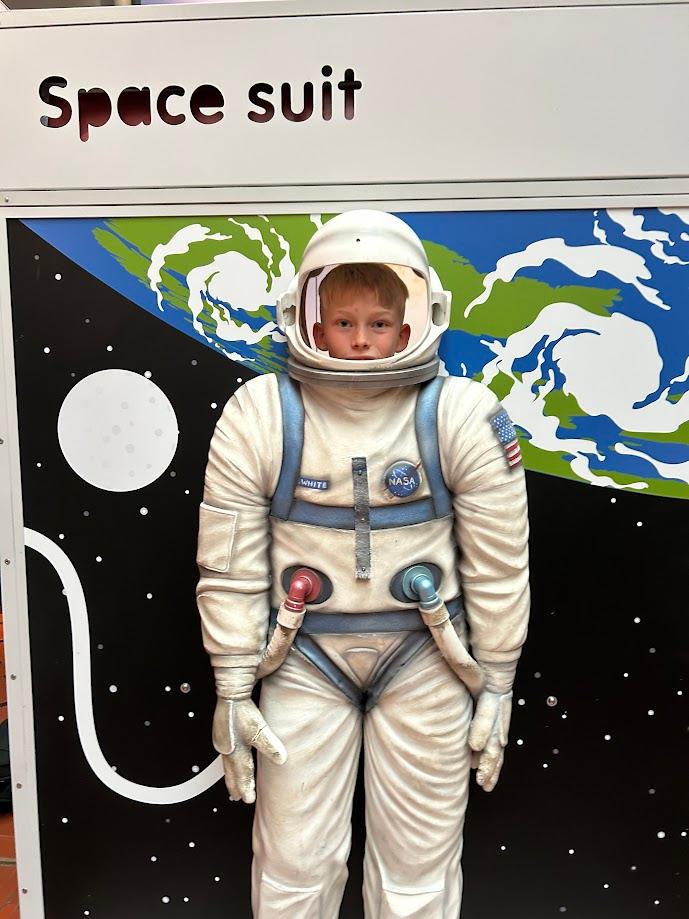
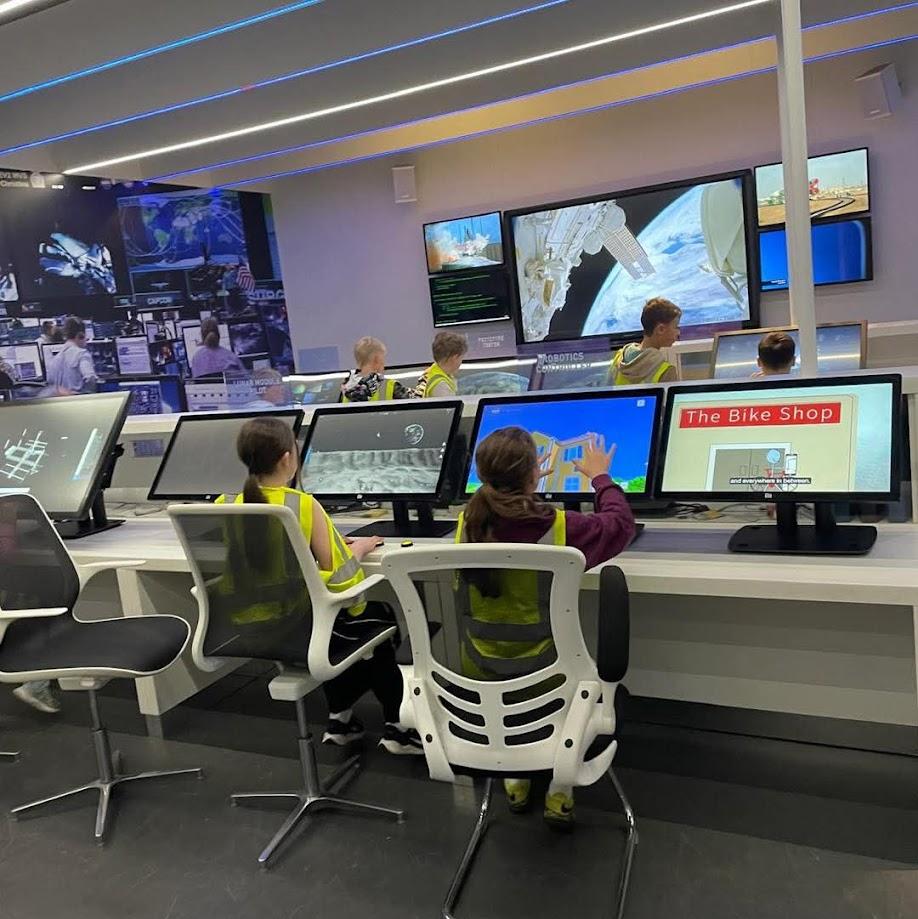
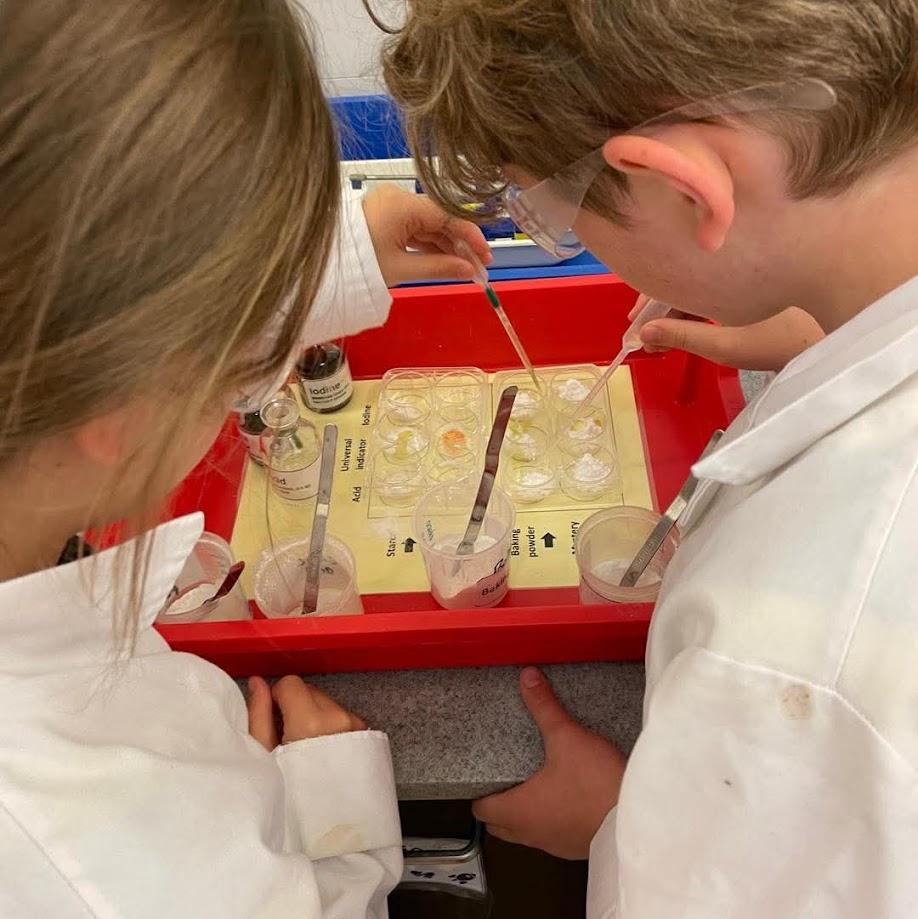
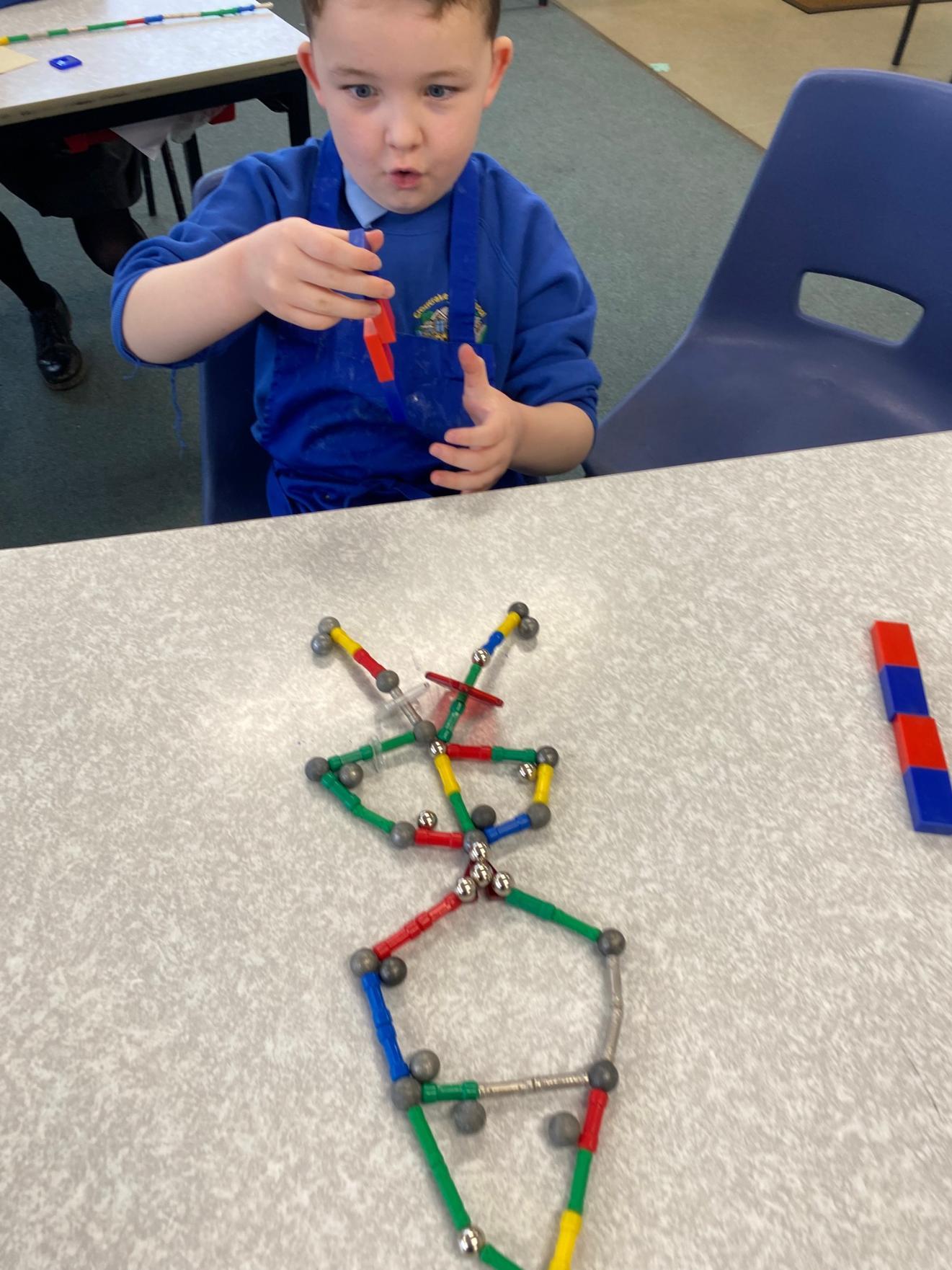
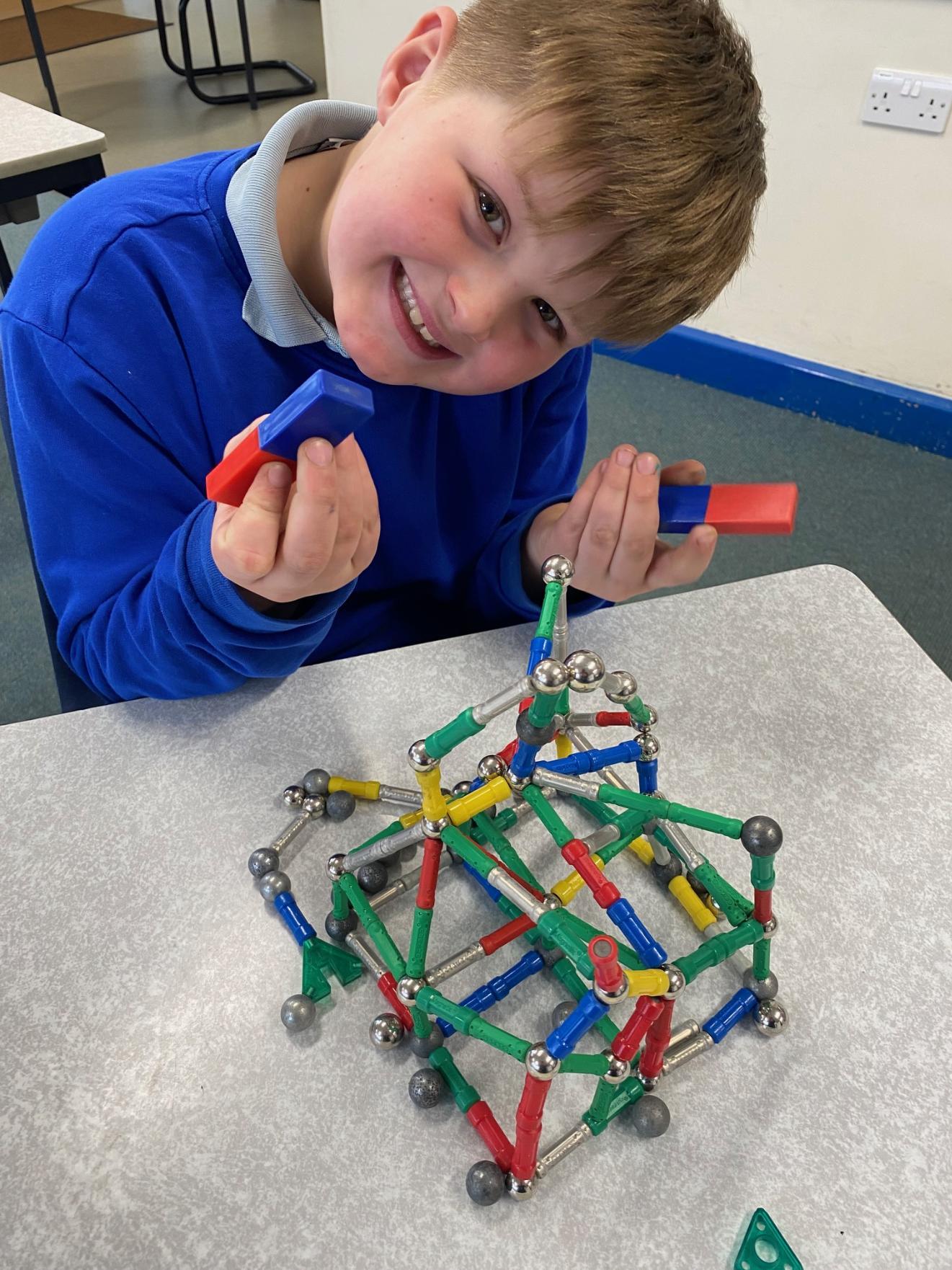
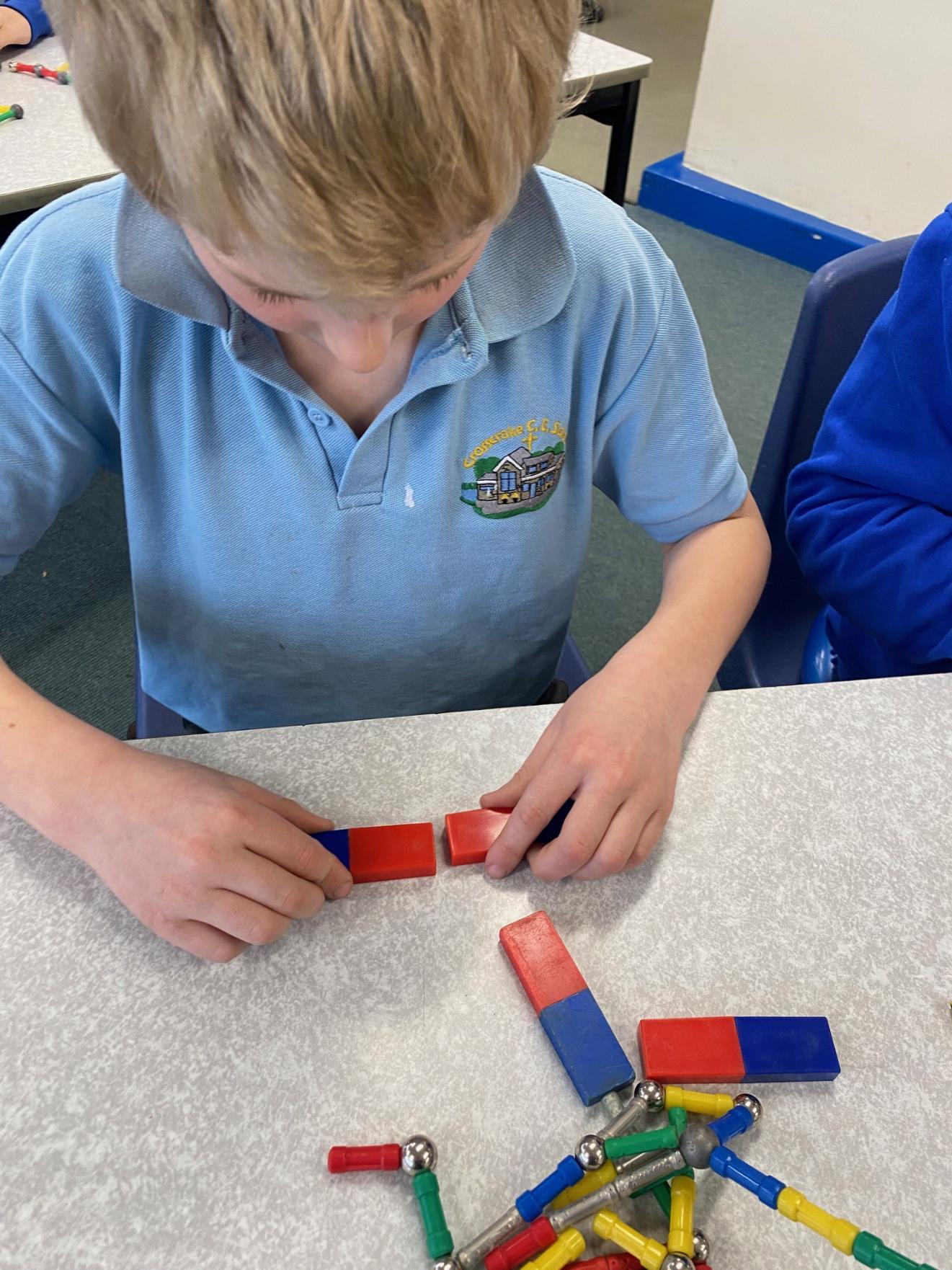
Having fun exploring Magnets
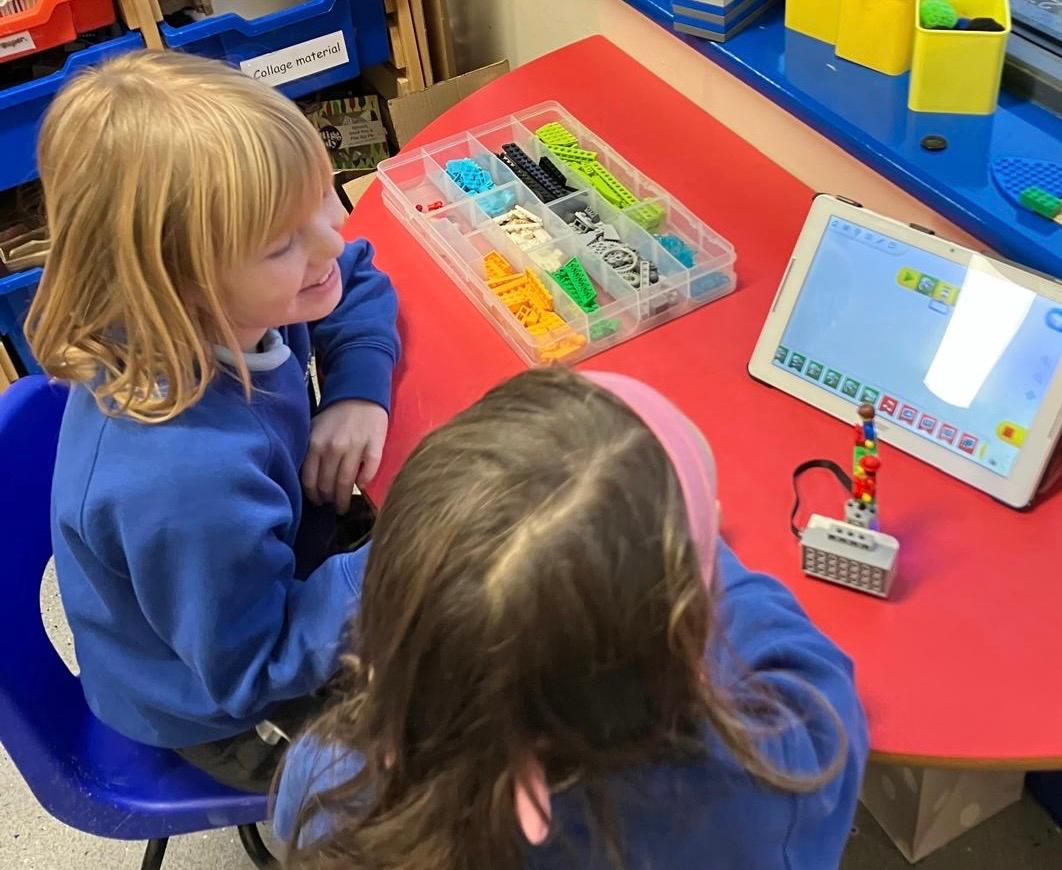
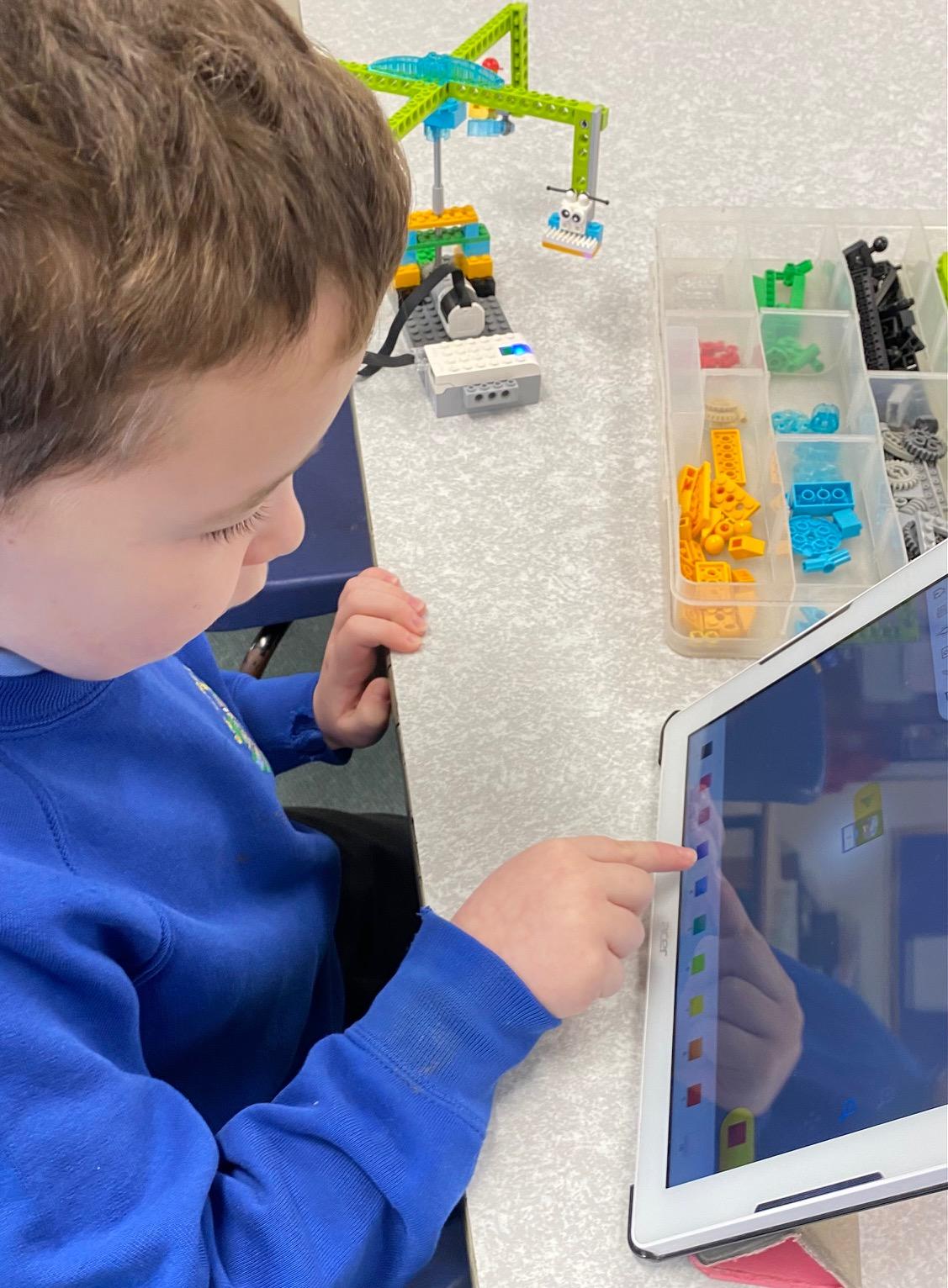
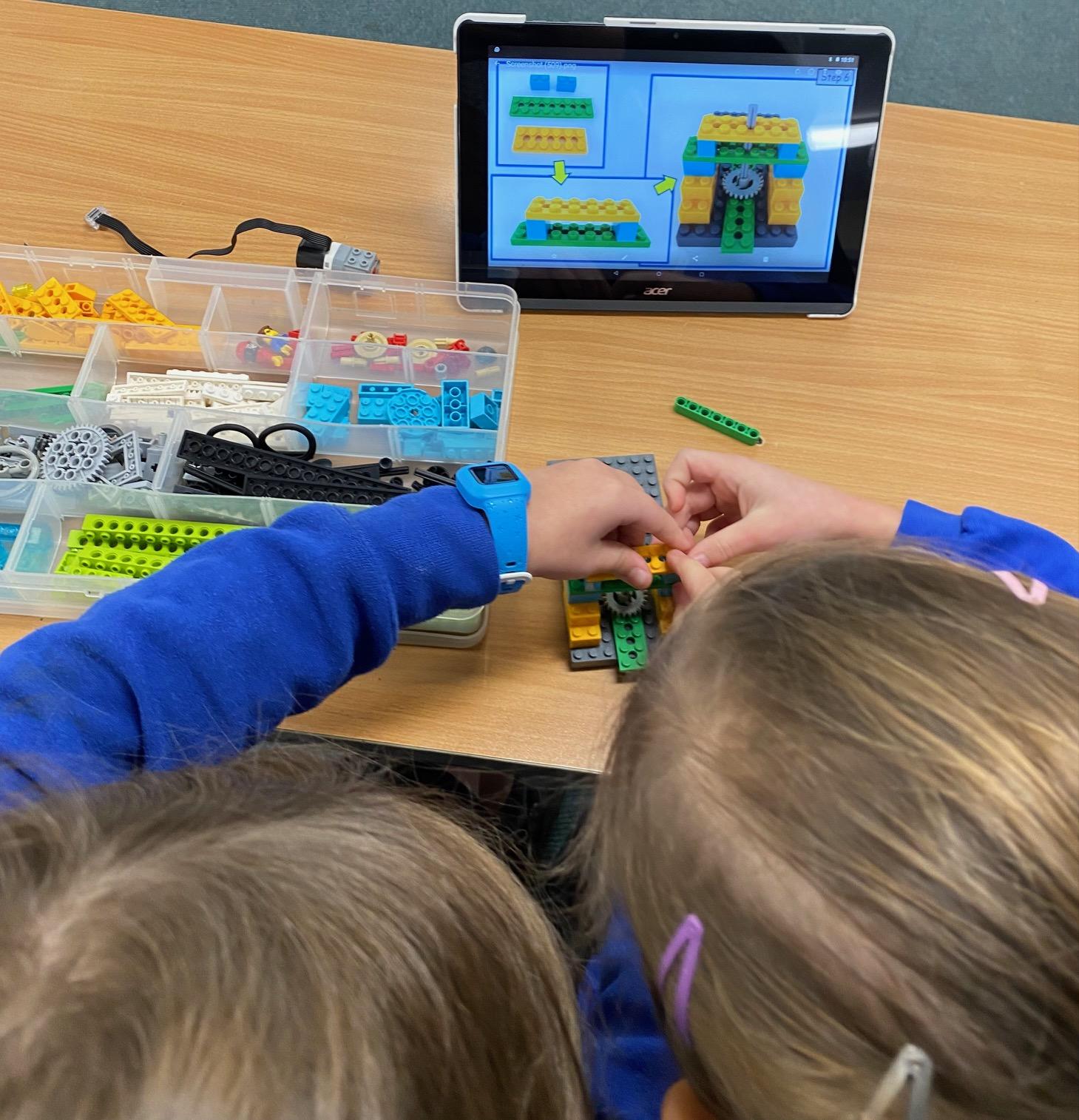
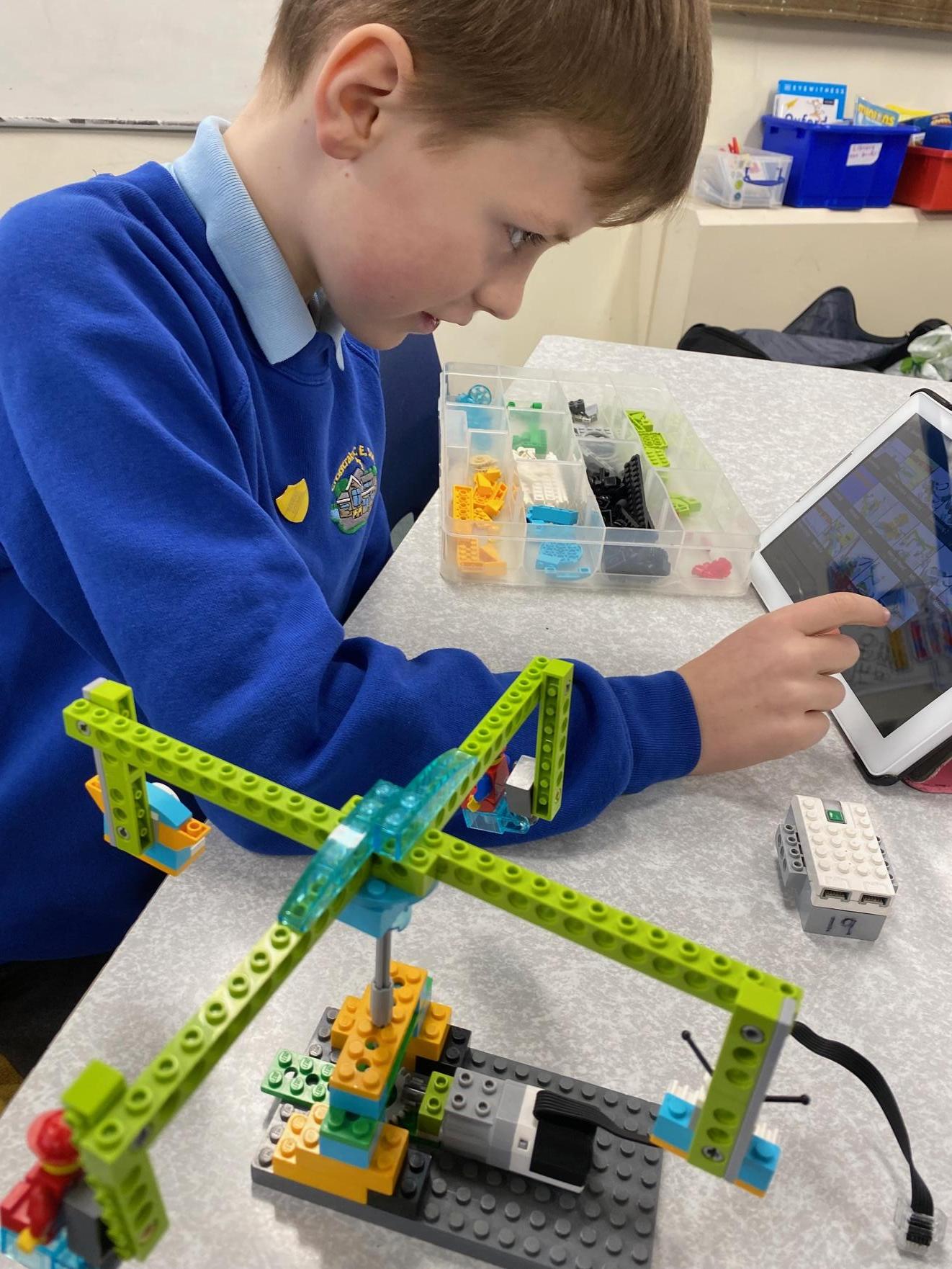
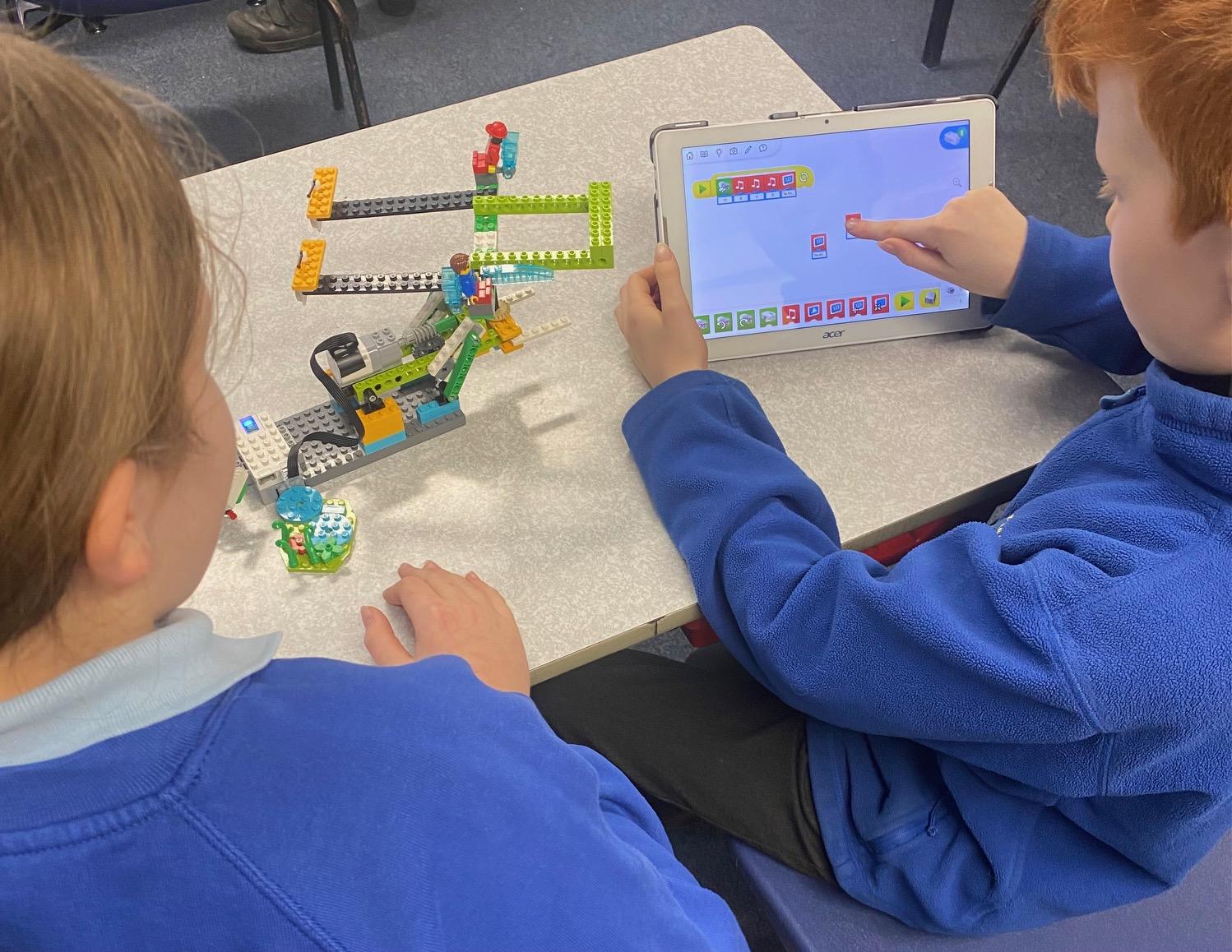
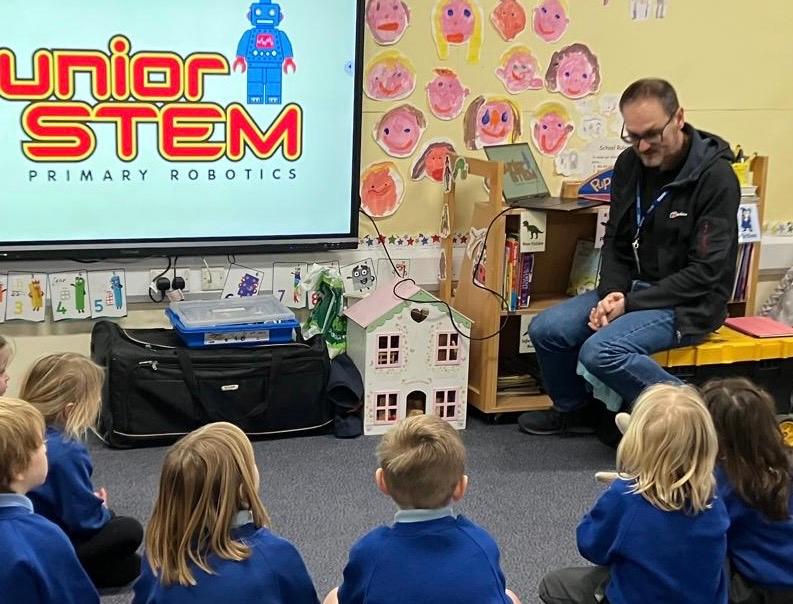
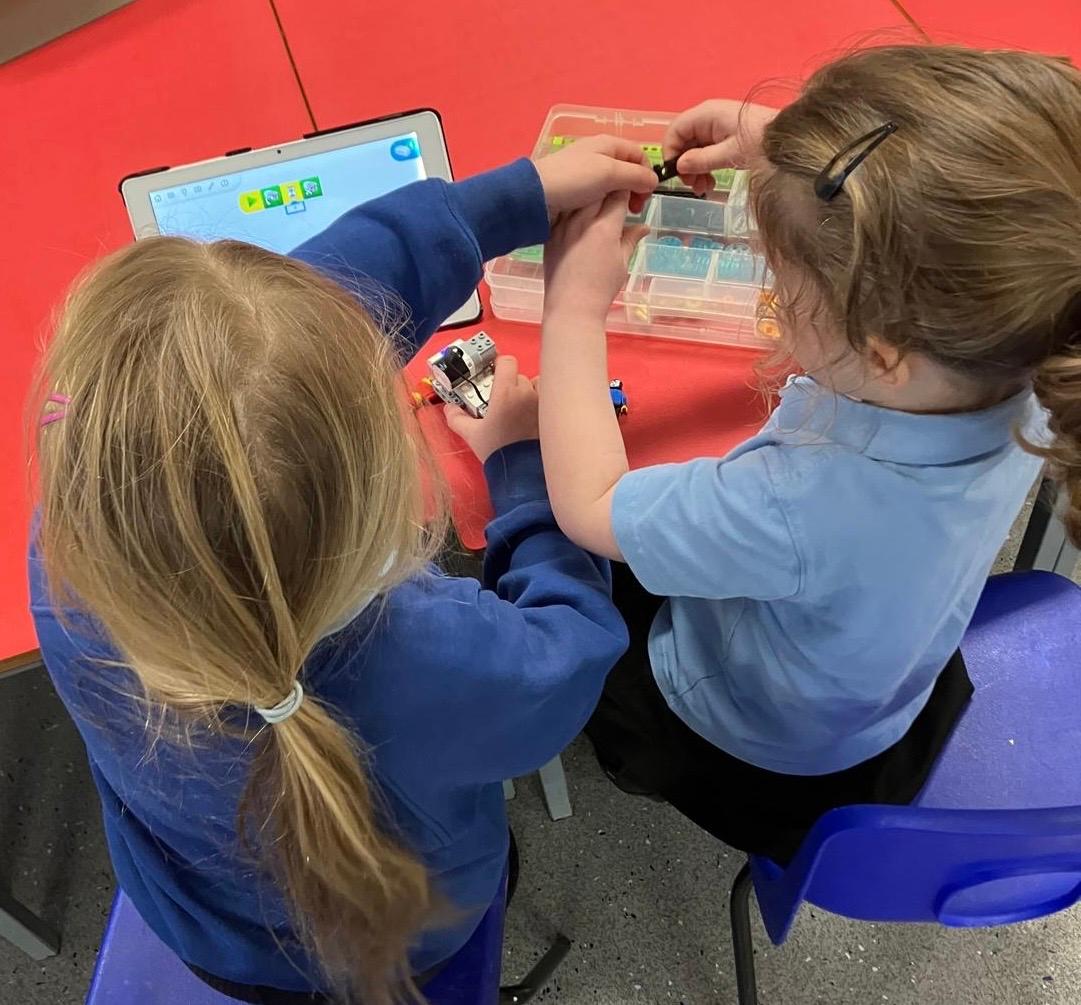
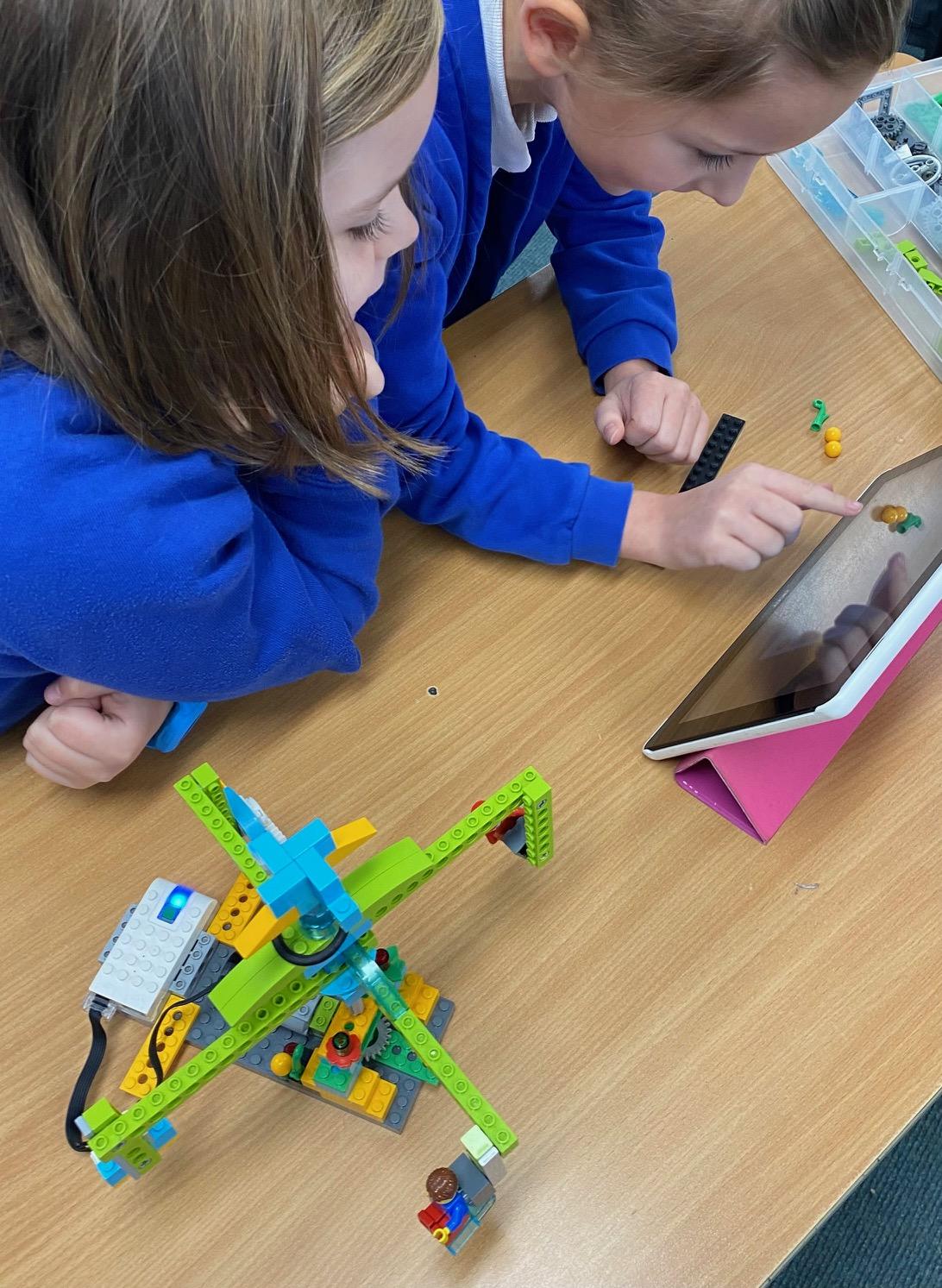
Lego Robotics Workshop
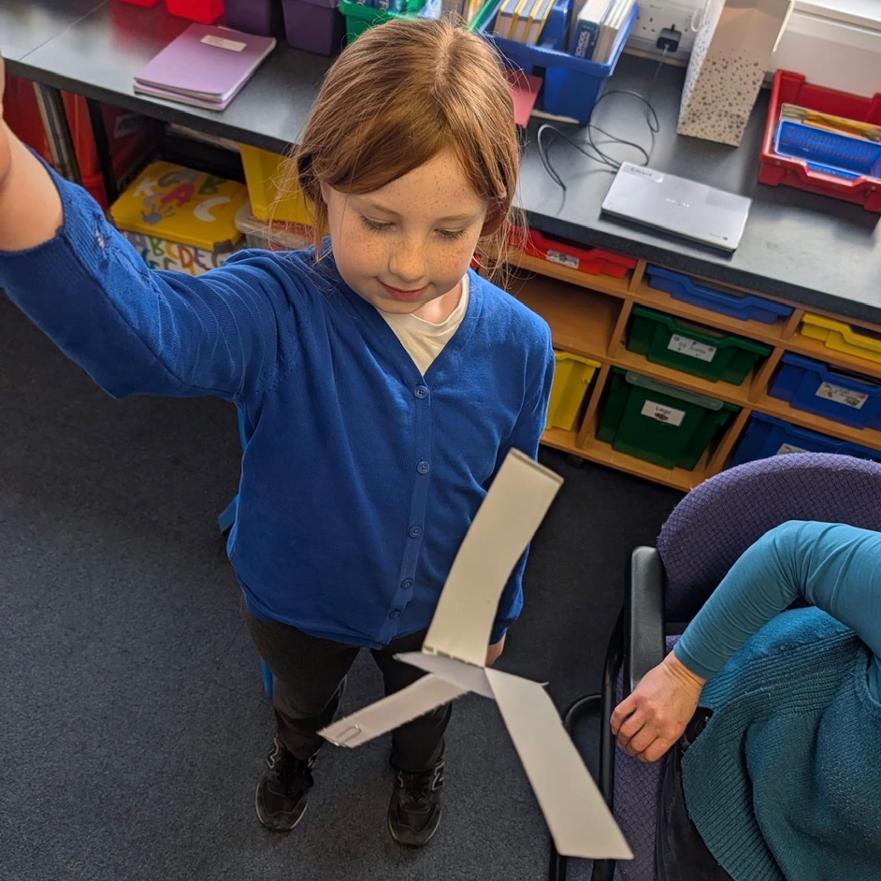
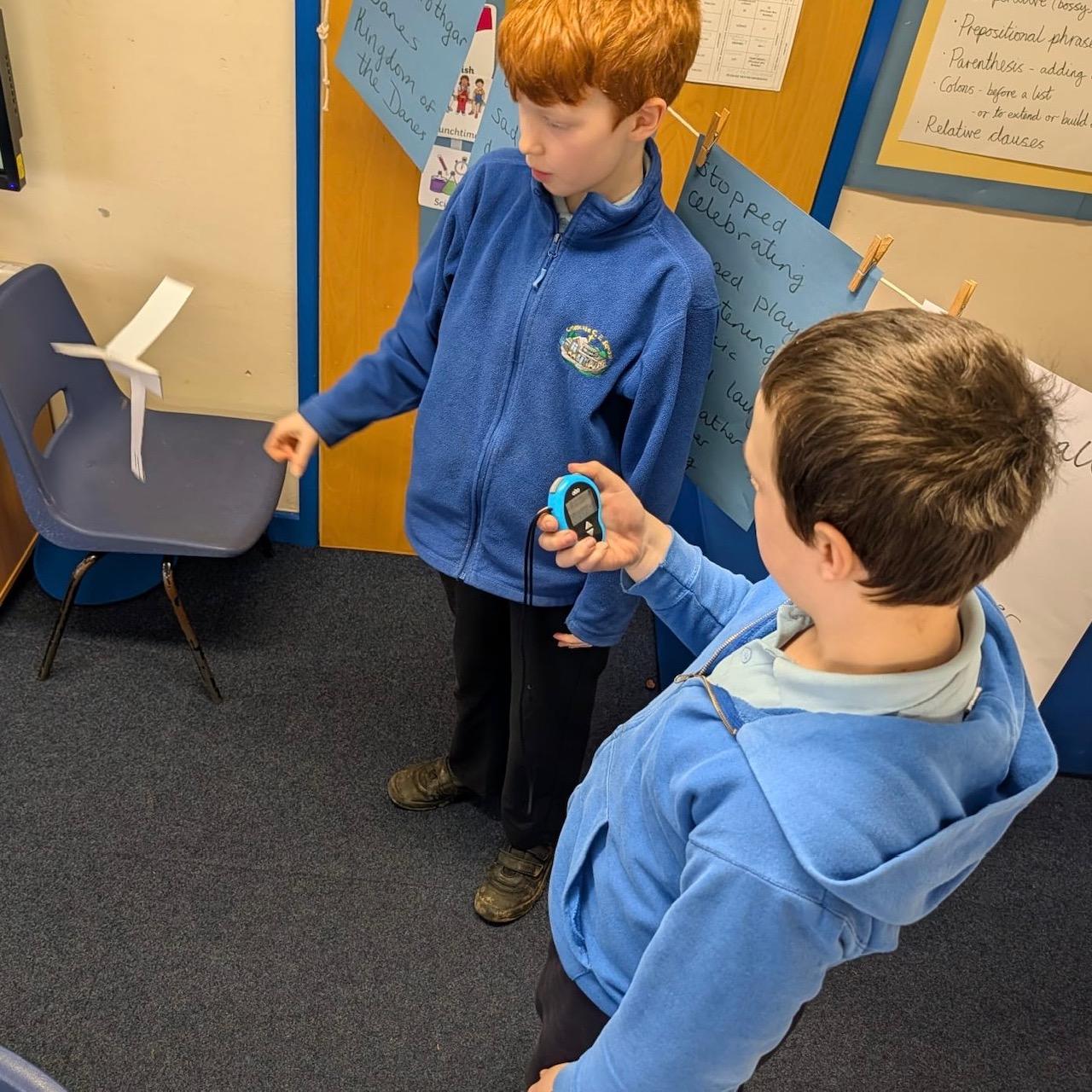
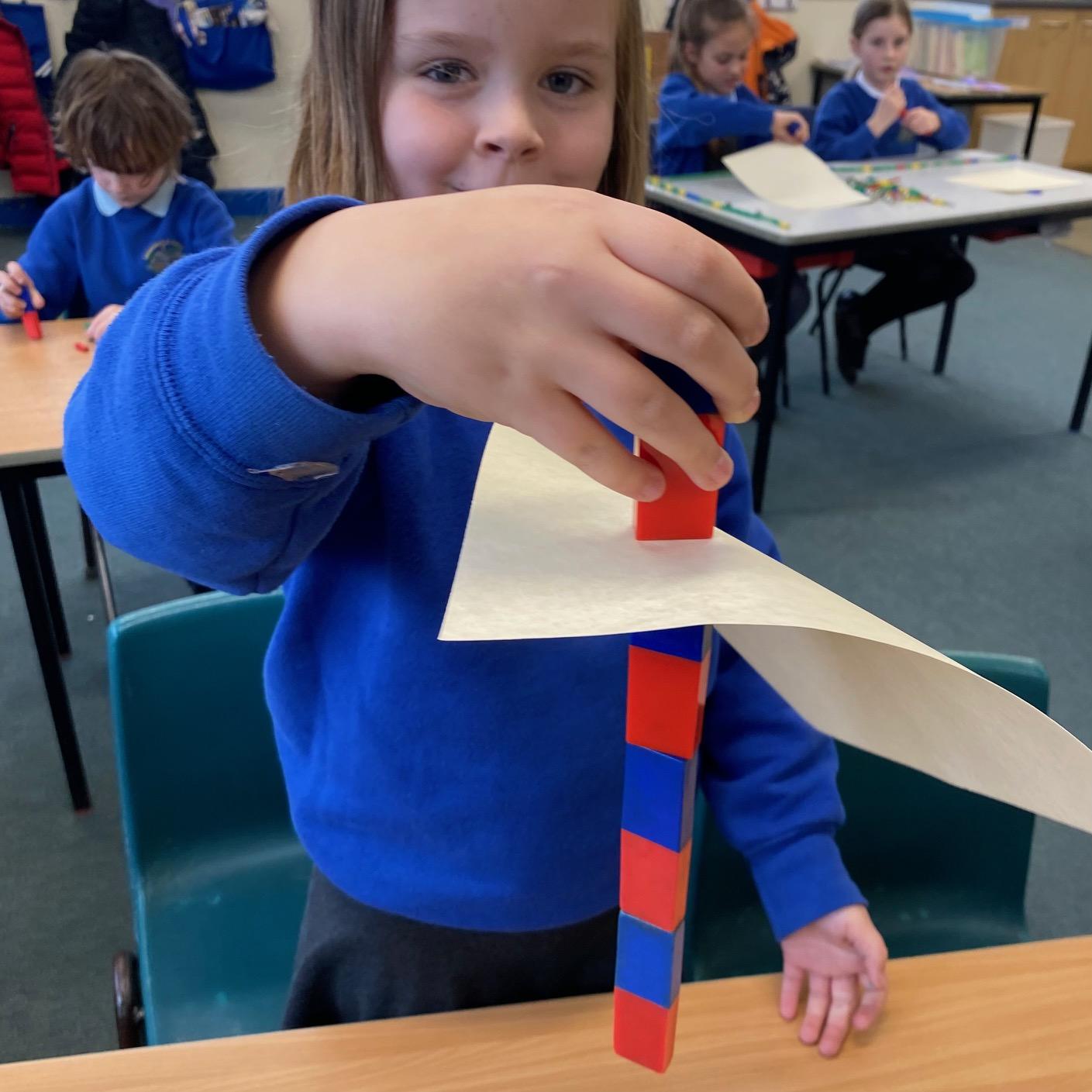
Does the size of the propellers alter the speed at which is falls?
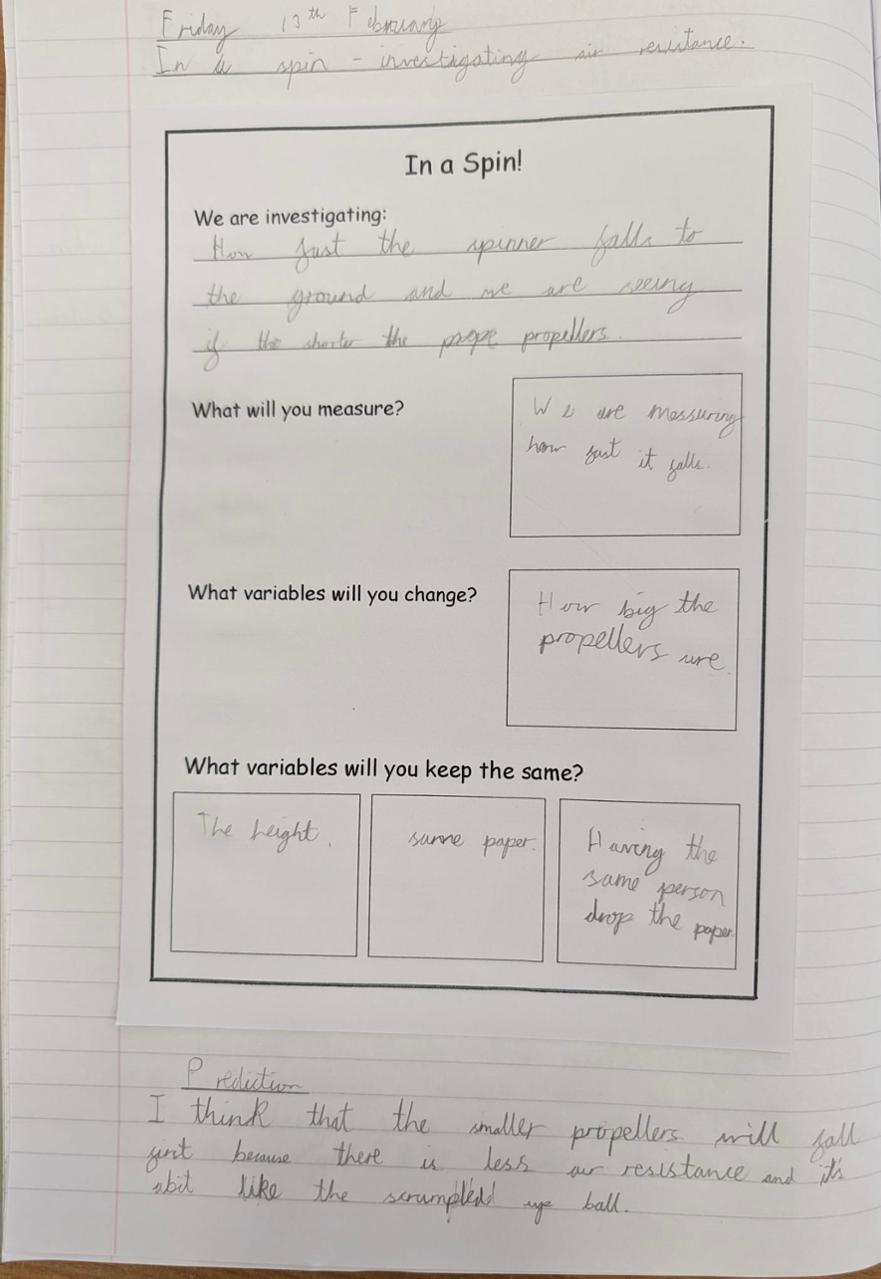
Investigating Air Resistance